Head Injuries in Football Players Alter Gut Microbiome
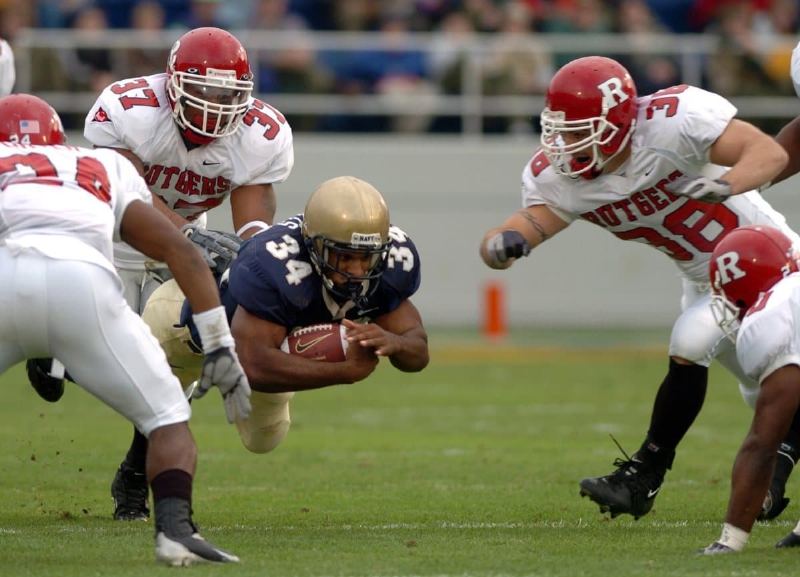
Football players experience changes in gut microbiota composition just two days after a strong helmet impact, with these changes accumulating by the end of the competitive season. The effect is observed even when controlling for diet, stress, and medication.
It is known that severe traumatic brain injuries disrupt gastrointestinal function. An injured brain sends stress signals that provoke systemic inflammation and lead to dysbiosis. Contact sports players can sustain between 100 and 1,000 micro-injuries in a season, which do not result in diagnosed concussions or visible symptoms, making it difficult to assess their impact on the 'brain-gut' axis.
The authors of the study, published in PLOS One, monitored NCAA league football players throughout the season. Sensors embedded in the players' helmets recorded the force of each collision, ranging from 15 to 63g. Additionally, players wore GPS trackers and other devices to measure overall physical load on the field.
Football players regularly provided stool samples, from which biologists extracted bacterial DNA to determine the specific composition of gut microbiota. Athletes also filled out daily questionnaires regarding sleep quality, stress levels, and consumption of alcohol and painkillers.
Initially, 19 individuals participated in the experiment, but some were excluded due to antibiotic use, diagnosed concussions, or noncompliance in sample collection. Ultimately, researchers analyzed 226 samples from six players. Despite the small sample size, the high frequency of data collection allowed for the formation of a robust statistical dataset and filtering of 15 confounding factors affecting digestion.
Read this article in full and everything else in Telegram, ad-free
Open in TelegramThanks, I just want to finish reading here
The findings revealed that the microbiome is sensitive to physical collisions. If a player received a head impact in the upper 25 percent of force for that specific player, the balance of microorganisms in their gut shifted within 48–72 hours.
There was a decrease in the abundance of bacteria from the Prevotellaceae family and the Prevotella genus among athletes. A reduction in these microorganisms has been associated with systemic inflammation and disruption of the blood-brain barrier following severe brain injuries. Concurrently, there was an increase in the abundance of Ruminococcus bacteria, which are often prevalent in individuals with inflammatory gastrointestinal diseases.
Mathematical modeling also indicated a cumulative effect. By the end of the sports season, the microbiome profile of players significantly diverged from baseline measurements, with the degree of this divergence correlating with the total severity of accumulated helmet impacts. Researchers noted that due to the small number of participants, these results indicate correlation rather than strict causation, but the statistical significance of the shifts warrants further investigation.
The study demonstrated that asymptomatic micro-injuries to the head do not go unnoticed by the body and affect the functioning of the digestive system. Chronic changes in microbiota in response to repeated impacts may partially explain why contact sports lead to systemic inflammation and early cognitive decline.