How Dinner Affects Sleep Quality: Findings from a New Study

A Spanish study has shown that dinner can significantly impact sleep quality and even determine breakfast choices the next morning.
Researchers from the University of Granada concluded that dinner and sleep quality are interconnected. "Dinner influences sleep, and sleep, in turn, reflects breakfast habits the following day," the authors explain.
To explore this relationship, scientists observed men and women with obesity over 14 days. Participants recorded all their meals, especially dinner and breakfast, while their sleep quality was monitored using accelerometers and sleep trackers.
This approach allowed for the study of real-life daily habits. The goal was to understand how nutrition and sleep interact in conditions where various factors are at play.
Why Dinner Affects Sleep
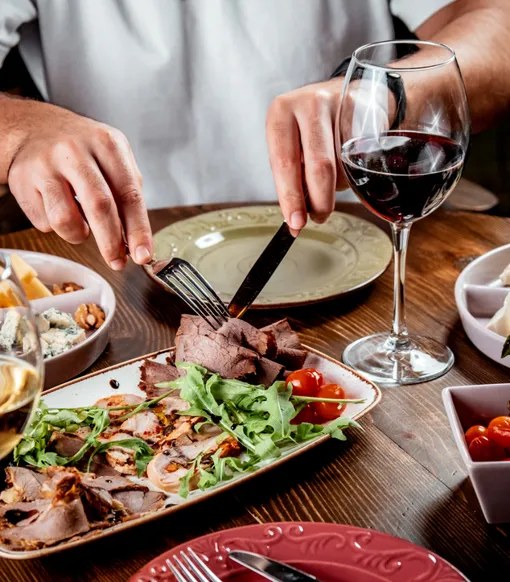
One of the main findings was that the composition of dinner is closely related to sleep quality that night. Dinners high in calories, fats, cholesterol, protein, alcohol, red meat, and fried foods were more often associated with poor sleep. In contrast, dinners rich in carbohydrates, olive oil, and fatty fish were linked to better sleep. "Nutritional components of the evening meal can influence various sleep parameters," researchers emphasize.
Read this article in full and everything else in Telegram, ad-free
Open in TelegramThanks, I just want to finish reading here
However, the authors note that the study was observational and cannot directly prove a causal relationship.
Sleep Also Affects Nutrition
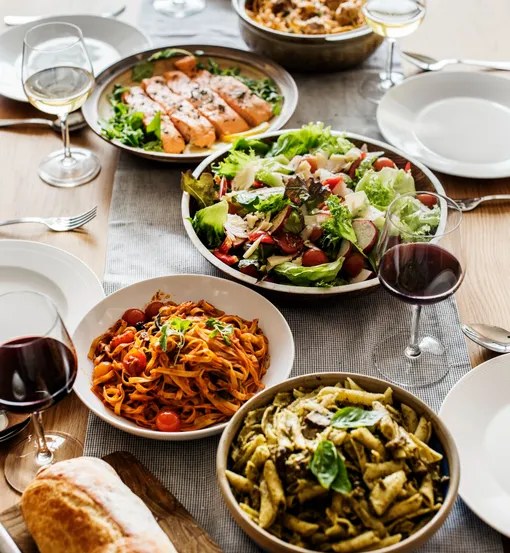
The quality of sleep also affects morning eating habits. Researchers found that "poorer sleep quality is associated with less healthy breakfast habits." Specifically, the following patterns were observed:
- People who woke up later consumed more calories at breakfast.
- More fragmented sleep was associated with increased sugar intake and lower fiber consumption.
- Longer sleep was linked to healthier breakfasts.
These results confirm that sleep is not only a consequence of nutrition but also a factor that shapes future eating habits.