Gold or Oil: Which Better Protects Against Inflation During the Iran War?
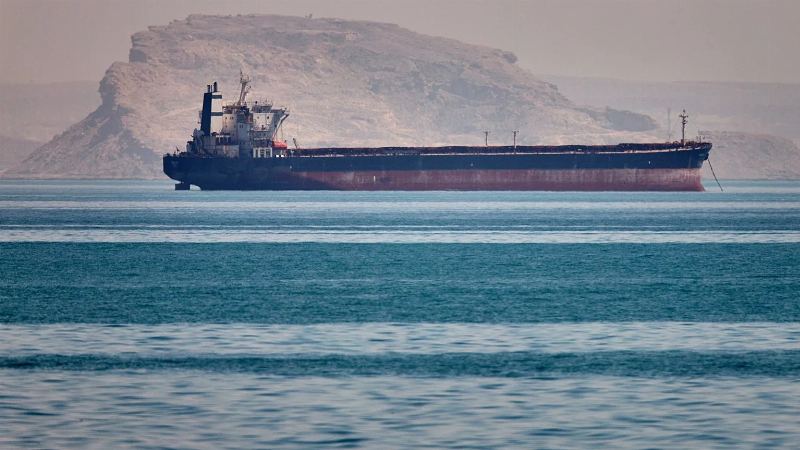
The war in Iran has changed the rules of inflation hedging.
Since February 27, the day before the start of Operation Epic Fury, Brent oil has risen by 37%, while gold has decreased by 10%.
Two assets traditionally used for protection against inflation and geopolitical risks are now moving in opposite directions.
The rise in oil prices is easily explained: according to Goldman Sachs, about 14.5 million barrels per day of oil production in the Persian Gulf have been removed from the market, leading to a record reduction in global oil supplies of 11-12 million barrels per day in April.
When supply decreases, prices rise until demand adjusts. Brent oil increased from $70 to about $100 per barrel, peaking at $126.
The situation with gold is more complex.
In 2025, this precious metal rose by 65%. However, now, as the conflict has escalated, gold has lost about 10% of its value.
Why Gold Has Stopped Working: The Rate Mechanism
Gold does not generate income, which explains its investment value. When yields rise, investors prefer income-generating assets, making gold less attractive.
Since February 27, the metal has decreased from $5,275 to $4,735 per ounce—a decline of $540 over ten weeks.
Experts note that the war in Iran has undermined hopes for rate cuts in the U.S., complicating gold's ability to fulfill its protective function.
Gold has become more sensitive to monetary policy, reducing its effectiveness as a hedge against geopolitical risks and inflation.
Read this article in full and everything else in Telegram, ad-free
Open in TelegramThanks, I just want to finish reading here
The Real Protective Function of Gold
Gold does not protect against inflation per se, but against the failure of the institution responsible for controlling inflation. When prices begin to rise, gold often loses value as the market trusts the central bank.
The true moment for gold comes when trust in the central bank is undermined, and investors begin to doubt the purchasing power of the currency.
The war in Iran has become a supply shock, and market expectations suggest that the Fed will respond with a tight policy.
Goldman Sachs' Forecasts
Goldman Sachs predicts that gold will rise to $5,400 per ounce by the end of 2026, based on continued purchases by central banks. However, in the short term, the metal is vulnerable to sell-offs due to risks in the Strait of Hormuz.
What This Means for Investors
The oil shock pushes inflation up, making commodities a protective asset. Gold, on the other hand, may lose value in the early stages of rising prices when central banks raise rates.
When the Strait of Hormuz reopens, oil prices may fall, and the Fed will have room to lower rates, potentially changing gold's dynamics. For now, the war that was supposed to make gold shine is working in the opposite direction.