Clean Energy Competes with Fossil Fuels on Price
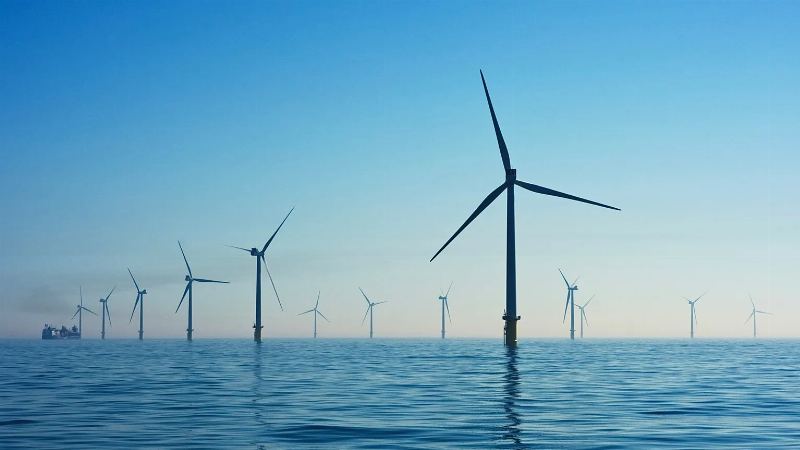
Clean energy is now capable of providing reliable, round-the-clock electricity at prices comparable to fossil fuels, as the war around Iran forces Europe to reconsider its dependence.
A new report from the International Renewable Energy Agency (IRENA) shows that the combination of solar and wind generation with battery storage systems is already comparable in cost to building new coal power plants. In many regions, this combination of renewable sources and storage even costs less than new gas plants.
The findings challenge a long-standing argument from the oil and gas industry that renewables cannot provide reliable round-the-clock electricity when the sun isn't shining and the wind isn't blowing.
Can Renewables Now Outperform Fossil Fuels?
According to IRENA, the answer is affirmative.
The report examined so-called “firm” renewable energy systems — combinations of solar power plants, wind farms, and battery storage capable of providing electricity 24 hours a day.
In regions with good solar and wind resources, the cost of electricity from solar plants combined with batteries now ranges from about 50 to 75 euros per megawatt-hour, the report states.
In comparison, new coal power plants in China generate electricity at a cost of around 60–75 euros per megawatt-hour, while new gas plants average over 88 euros worldwide.
The sharp decline in battery prices has been a key factor in these changes. Since 2010, the cost of battery storage systems has dropped by 93%, while prices for solar panels have fallen by 87%, and onshore wind installations by 55%.
IRENA notes that the combination of wind, solar, and storage also reduces vulnerability to geopolitical shocks, such as Iran's control over the Strait of Hormuz — a crucial chokepoint for fossil fuel supplies through which about one-fifth of global oil supplies pass.
Europe is Already Feeling the Impact
The report was published at a particularly telling moment. Europe is still facing price shocks in fossil fuels related to Russia's invasion of Ukraine and a new wave of instability surrounding the U.S.-Israel conflict in the Middle East.
Read this article in full and everything else in Telegram, ad-free
Open in TelegramThanks, I just want to finish reading here
As recently revealed by the nonprofit organization Positive Money, the development of renewables has helped lower electricity prices in several European countries by nearly 25% from 2023 to 2025.
Another report showed that consumers in Denmark, Finland, France, Sweden, and Slovakia could save up to 8.5 billion euros on electricity bills this year due to a cleaner generation structure, while countries still heavily reliant on fossil fuels will face significantly higher costs.
Solar energy alone saved Europe 3 billion euros in March by reducing gas imports. According to SolarPower Europe, total savings could exceed 67 billion euros if gas prices remain high.
The Discussion on Renewables is Changing
For years, critics argued that solar and wind energy could never fully replace fossil fuels due to their dependence on weather conditions.
According to IRENA, the development of energy storage is changing this narrative.
Batteries allow for the storage of electricity generated during sunny and windy periods, which can then be fed back into the grid when demand rises or supply falls, reducing the need for fossil fuel backup plants.
IRENA believes that over the next decade, the cost of storage will continue to decline, making round-the-clock generation from renewables much more attractive for energy-intensive sectors like AI and data centers.
By 2035, some large solar projects with storage could provide continuous electricity at a cost of less than 45 euros per megawatt-hour in the most efficient regions.
“The long-standing argument that renewable energy sources are unreliable no longer holds up,” said IRENA Director-General Francesco La Camera.