David Attenborough: 100 Years of Change on Planet Earth
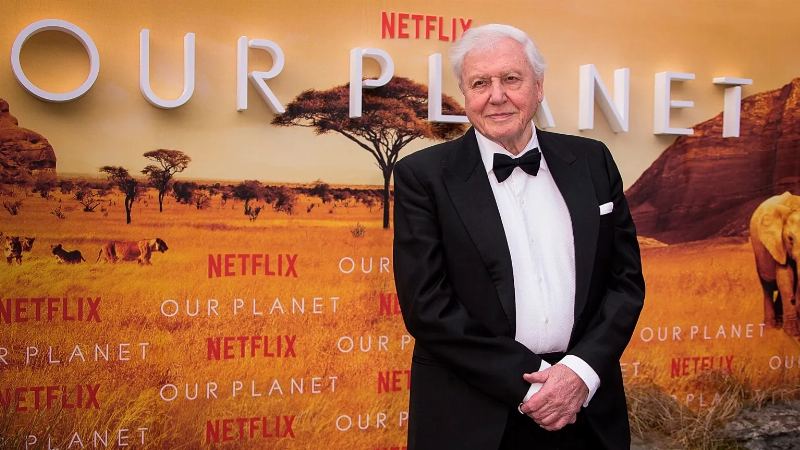
Sir David Attenborough has dedicated his career to highlighting Earth's ecosystems and inspiring people to connect with nature. Over 70 years, he has become the voice of a hundred documentaries covering every corner of the planet. Today, May 8, he turns 100.
In honor of this milestone, Euronews Earth examines the changes on the planet throughout Attenborough's life.
Biodiversity Crisis
In the 2020 BBC documentary, Attenborough warned that biodiversity loss poses a significant threat to food security and climate. According to WWF, wild animal populations have declined by 73% over the past 50 years.
The most affected species are freshwater (down 85%). Conservation organizations report critical conditions in the Amazon rainforest and threats to unique species.
However, conservation efforts are beginning to yield results. For instance, eastern barred bandicoots were released on an island after a 'genetic rescue' program. Green sea turtles were reclassified from 'endangered' to 'least concern.'
Read this article in full and everything else in Telegram, ad-free
Open in TelegramThanks, I just want to finish reading here
Plastic Epidemic
Plastic production has surged to 450 million tons annually over the past century, threatening ecosystems. Microplastics are found everywhere, including Greenland's glaciers.
The Blue Planet II series raised awareness of plastic issues, inspiring action. Surveys show that after Attenborough's calls, plastic recycling inquiries in the UK increased by 55%.
Transition from Fossil Fuels
Climate change is linked to fossil fuel use, which accounts for 68% of global greenhouse gas emissions. However, renewable energy is starting to take a significant share of electricity production.
Recent conferences and initiatives indicate that the world is moving towards phasing out fossil fuels. France has published a roadmap for phasing out coal, oil, and gas by 2050.