Ancient Maya: Dogs as Trade Goods on Trade Routes
The trade routes of the ancient Maya facilitated the transport of various goods across Central America. New research has revealed that dogs were brought to mountainous cities in southern Mexico from hundreds of kilometers away, not for slaughter for meat.
It was previously believed that the Maya used animals solely as a source of meat and ritual symbols. However, with the advancement of isotopic analysis methods, it became clear that predatory animals were kept in captivity and fed corn in Teotihuacan. Archaeologists began to find evidence of the movement of animals over long distances.
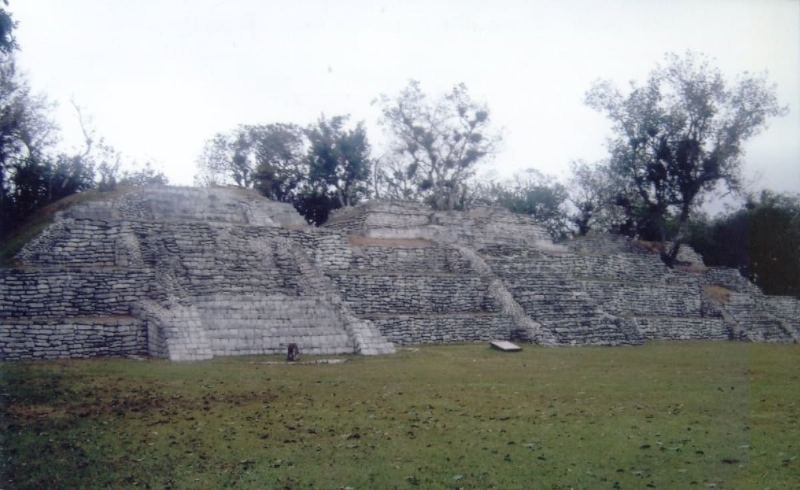
An international team of researchers studied two sites in Chiapas, known for their overland trade routes. The results were published in the Journal of Archaeological Science.
To determine the origins of the found animals, researchers used strontium isotopic analysis, which varies depending on the geology of the area. They collected 45 plant samples and built a computer model predicting strontium isotopic ratios across the Maya territory.
Read this article in full and everything else in Telegram, ad-free
Open in TelegramThanks, I just want to finish reading here
Deer and peccaries turned out to be local, with their strontium isotopic profile matching the areas around the settlements. These animals were hunted nearby, and their remains represent typical food waste.
All four dogs analyzed from Tenam-Puente originated from a remote region — the northern part of the Central Karst Highlands, over 500 kilometers away. In Moxviquil, one dog came from the Tonina area, another showed values characteristic of the Pacific coast, and a third from northern Yucatan.
Carbon and nitrogen isotopes indicated that the imported dogs were fed a diet rich in corn and meat, suggesting targeted fattening. Transporting live animals through mountains and jungles over hundreds of kilometers was complex and costly, indicating their ceremonial or diplomatic significance. Notably, remains were found in various archaeological contexts, from burial caves to refuse layers beneath market square floors.