Countries in Europe with the Cleanest Drinking Water
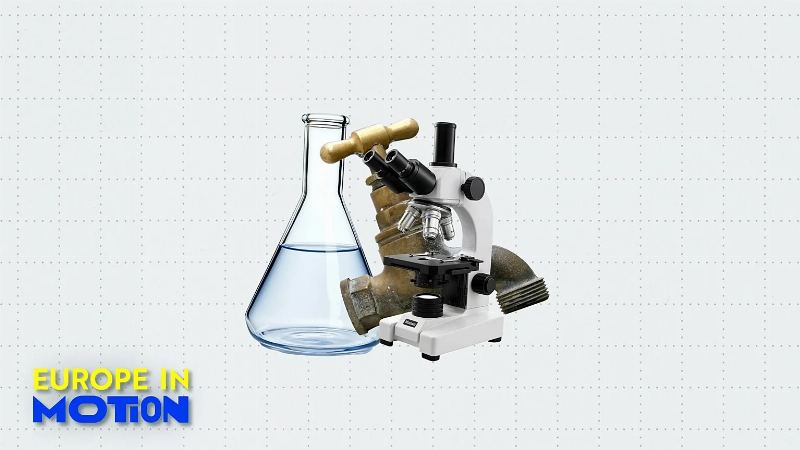
Groundwater is one of the most vulnerable resources in the EU.
According to the European Environment Agency, over 20% of groundwater across the EU is in poor chemical condition, meaning that levels of harmful substances like mercury and cadmium exceed established limits.
Cleaning water for drinking and sanitation incurs significant costs, estimated at 320 billion euros annually just for nitrate removal from fertilizers. The nitrate limit in the EU is set at 50 milligrams per liter, but this level has been exceeded at 14 percent of groundwater monitoring stations.
Leaders in Drinking Water Quality
Europe's investments in groundwater purification appear to be yielding positive results.
According to the Environmental Performance Index, 19 out of 20 countries with the best sanitation and drinking water conditions are European, with Japan being the only exception. Finland, Iceland, the Netherlands, Norway, Switzerland, and the United Kingdom scored a perfect 100 for protecting health from unsafe drinking water.
The worst scores on the continent are recorded in Moldova (50 points), Georgia (51.7), and Albania (54.1). Among EU countries, Latvia (59.10), Lithuania (58.40), and Romania (56) also rank low.
Read this article in full and everything else in Telegram, ad-free
Open in TelegramThanks, I just want to finish reading here
The EU actively monitors its water resources. In January 2022, the first drinking water checklist was adopted to track levels of beta-estradiol and nonylphenol, two endocrine-disrupting compounds.
Seriousness of Groundwater Pollution
Chemicals in groundwater remain a significant issue, especially considering that groundwater supplies about 25% of agricultural irrigation and 65% of drinking water in the EU.
Researchers from Water Atlas state that around 80% of wastewater globally enters water bodies without treatment, leading to pollution of rivers and lakes.
Water Atlas has mapped groundwater bodies with good and poor chemical status in Europe. In Luxembourg, 79% of mapped groundwater bodies are expected to fail to achieve good chemical status by 2025, in the Czech Republic - 55%, in Belgium - 41%, and in Germany - 40%.
Pesticides and pharmaceutical compounds remain major threats to water quality. Trifluoroacetic acid was found in 94% of drinking water samples collected in 11 EU countries, while PFAS were detected at 23,000 sites across Europe.
Microplastics also pose an additional environmental burden.