Brain Under Anesthesia: Hippocampus Distinguishes Speech Even in Coma
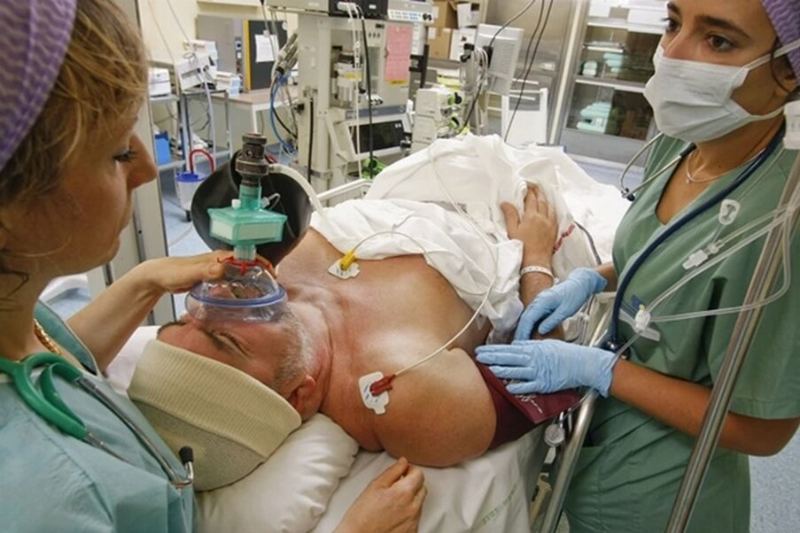
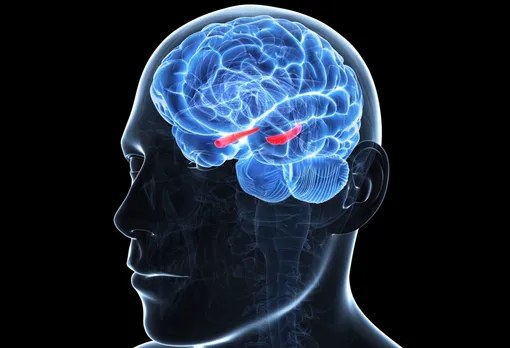
Under general anesthesia, a person enters a comatose state, shutting down memory and pain perception. However, new research has shown that the hippocampus, the brain structure responsible for memory, remains active. It processes grammar and meaning of words, even predicting the next word in a sentence. This discovery alters perceptions of consciousness.
The hippocampus, named after the seahorse, was described by anatomist Giulio Cesare Aranzi in 1587. For a long time, it was considered the center of smell, but in the mid-20th century, its role in memory was definitively established after the case of patient H.M., who lost the ability to form new memories after hippocampal removal.
Neurosurgeon Samir Sheth from Baylor College of Medicine and colleagues observed the activity of neurons in seven patients under propofol during epilepsy surgery.
Some participants heard repeated sound signals of different tones, and the hippocampus gradually learned to distinguish them, demonstrating unconscious learning. Other participants listened to podcasts, and neurons reacted to parts of speech, distinguishing nouns from other words and, remarkably, anticipating the next word based on context. The level of activity was comparable to that of awake participants in the control group. The work was published in the journal Nature.
Read this article in full and everything else in Telegram, ad-free
Open in TelegramThanks, I just want to finish reading here
The key tool of the study was Neuropixels probes—electrodes thinner than a human hair, capable of simultaneously recording signals from hundreds of individual neurons. Previous methods could only capture averaged activity from thousands of cells. "This is a much more precise 'lens' for studying the brain," says cognitive neuroscientist Martin Monti from the University of California, Los Angeles.
What This Means for Medicine

Researchers emphasize that the results do not mean that patients were conscious, but that doctors did not notice it. Propofol disrupts coordination between brain networks, which is considered necessary for conscious perception.
Only one isolated area—the hippocampus—was active. Nevertheless, the discovery holds practical prospects. Samir Sheth plans to conduct similar experiments with patients in comatose or vegetative states after severe brain injuries. If their hippocampus also retains the ability to process speech, this data could guide future treatment methods, such as targeted brain stimulation to bypass damaged neural pathways.