New Method to Combat Aggression: Neurobiologists Unveil Therapy Prospects
Neurobiologists from St. Petersburg State University have discovered that activating the TAAR1 receptor effectively suppresses aggressive behavior caused by a lack of serotonin in the brain. This finding may aid in the development of medications aimed at correcting aggression in conditions such as post-traumatic stress disorder (PTSD) and schizophrenia.
The TAAR1 receptor, found in the limbic system and prefrontal cortex, plays a crucial role in regulating emotions and behavior. The research, led by Raul Gainetdinov, indicates that TAAR1 could serve as a foundation for new therapies. The results are published in the journal Frontiers in Psychiatry.
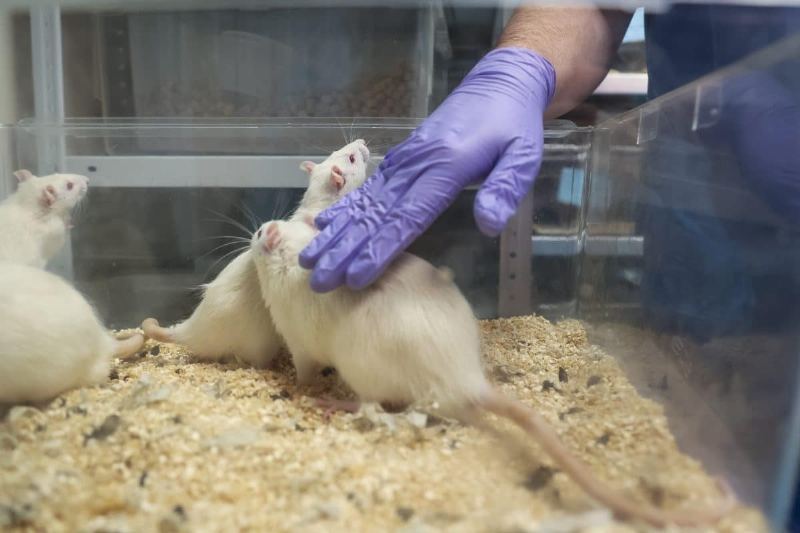
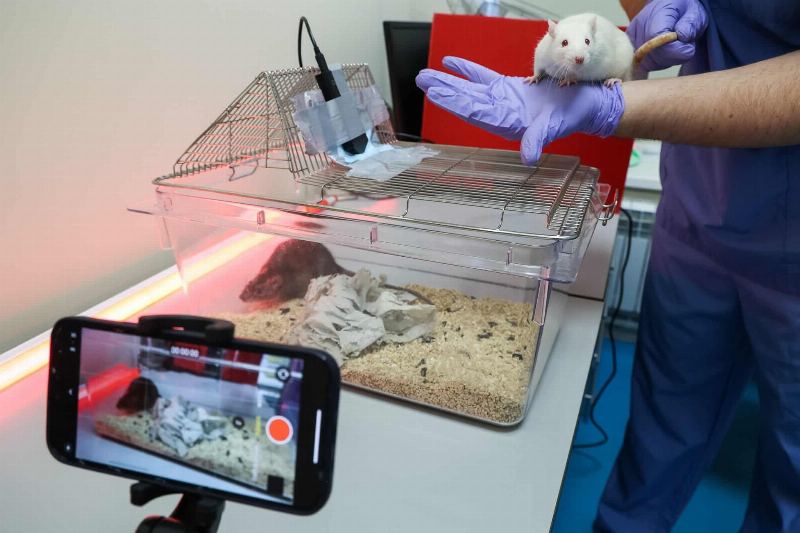
In an experiment involving genetically modified rats lacking serotonin, researchers assessed aggression levels using the "resident-intruder" test. The serotonin-deficient rats exhibited heightened aggression, even when their chances of winning were minimal.
Read this article in full and everything else in Telegram, ad-free
Open in TelegramThanks, I just want to finish reading here
"Aggression in rats helps establish hierarchy within a group. However, serotonin-deficient rats fail to recognize signals of defeat," explained Ilya Zhukov, a research associate.
In the second part of the experiment, the TPH2-KO rats were administered a TAAR1 activator molecule, resulting in normalized behavior. The duration and pattern of their attacks changed, aligning more closely with those of rats with normal serotonin levels.
The findings suggest that TAAR1 could be a key target for developing new medications to manage aggression during psychotic episodes and PTSD. Drugs based on TAAR1 agonists may have a high safety profile and not lead to weight gain, making them promising for therapy.
Further details on the potential applications of TAAR1 activators will be published in the journal "St. Petersburg University" in 2026.