Nicotine as a New Health Trend: The Impact of Influencers on Public Perception
Every day, new strange wellness trends emerge online, from "migraine meals" to fibremaxxing. However, the latest trend surrounding nicotine has proven particularly resilient.
Influencers on social media present nicotine as a natural health hack, claiming that nicotine pouches, gum, or patches help improve cognitive abilities, boost productivity, and control weight.
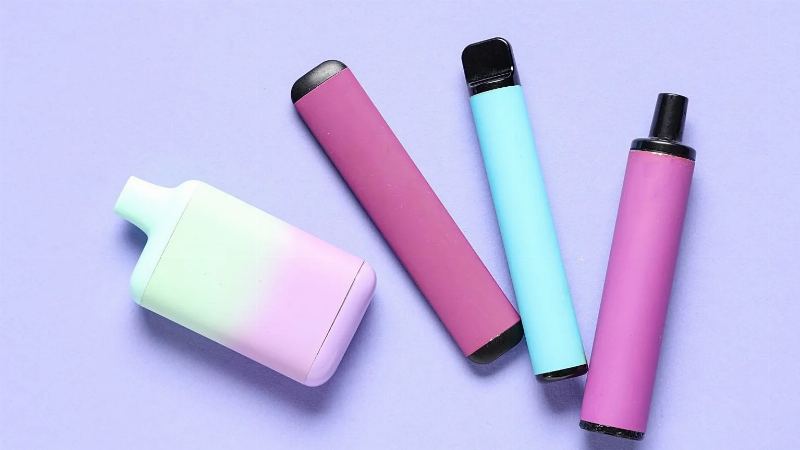
Nicotine, found in the tobacco plant, is known for its addictive properties, promoting dopamine release in the brain. While it is often associated with cigarettes, alternative products like vapes and nicotine pouches are gaining popularity. According to the U.S. National Institutes of Health, global sales of nicotine pouches grew annually by 113% from 2020 to 2024.
However, there is still limited data on the health consequences of nicotine use. Biohackers exploit this information vacuum, exaggerating nicotine's stimulating properties.
Angela Difeng Wu, a senior researcher at the Nuffield Department of Primary Care Health Sciences, noted that wellness claims often start with a grain of truth that is then distorted. While nicotine does affect the brain, this does not mean it should be viewed as a health remedy.
For those trying to quit smoking, nicotine replacement therapy may be a healthier alternative, but for those who have never smoked, it could lead to a new addiction.
According to Wu, there is currently no epidemiological data indicating that nicotine's harm is comparable to that of tobacco, but this does not mean nicotine is harmless. The addiction to nicotine itself is a significant concern.
Read this article in full and everything else in Telegram, ad-free
Open in TelegramThanks, I just want to finish reading here
Growing Popularity of Nootropics
In the post-pandemic years, interest in nootropics—substances that enhance cognitive functions—has increased. Popular nootropics include caffeine, ashwagandha, and L-theanine.
Many brands have already capitalized on this trend: the functional beverage market could reach $300–400 billion by the mid-2030s.
Nicotine products are also part of this boom, with influencers hoping to profit by presenting them as quick solutions to complex psychological issues.
Wu emphasizes that the wellness culture and supplements lead people to trust influencers more than official sources.
Despite challenges in regulating social media influence, European countries are gradually introducing new rules to limit the consumption of nicotine products among youth. Last month, the UK approved an anti-tobacco law prohibiting the sale of tobacco products, including vapes, to anyone born after 2008.
Wu believes such regulatory measures are important, but policies and public discussions around nicotine products must consider cultural context. The key is to provide real support for those trying to quit smoking while recognizing that nicotine has a different harm profile: it is much less dangerous than smoking but is not without risks.