Venice Biennale Opens Amid Protests Against Russia and Israel
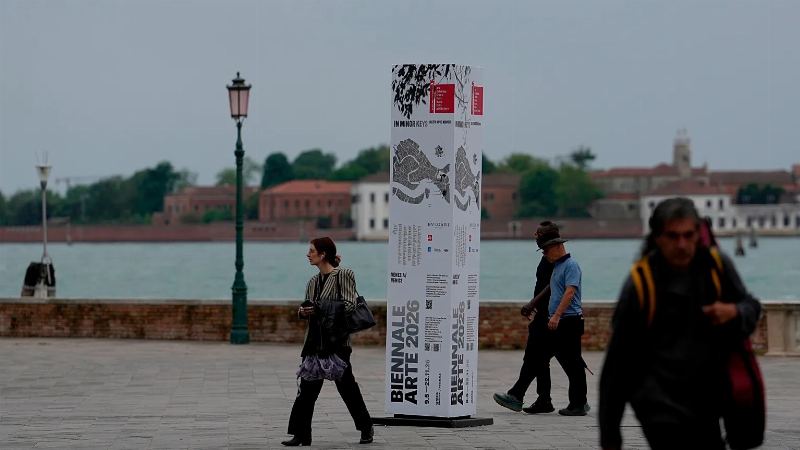
On May 9, the 61st International Art Exhibition Venice Biennale opened, accompanied by political pressure and protests.
The exhibition will run until November 2026, but its opening is overshadowed by global disagreements and social demands.
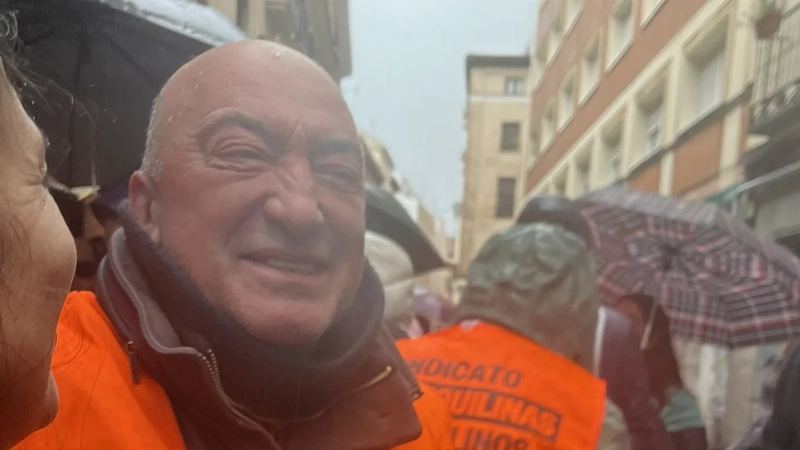
About two thousand people gathered on Garibaldi Street to participate in the first workers' strike in the history of the Biennale, organized by unions.
The march headed towards the Arsenal, protesting the Israeli pavilion, which demonstrators labeled as the "pavilion of genocide" due to ongoing military actions in Gaza. A police unit engaged with protesters attempting to breach security barriers.
European Funding Issues and Protest Against the Russian Pavilion
The temporary opening of the Russian pavilion added another layer of institutional complexities after the group Pussy Riot conducted symbolic destructive actions. The EU reacted strongly, threatening to withdraw funding if the Venetian cultural showcase is used to legitimize Kremlin positions.
After several days of discussions, the Biennale announced that the pavilion would remain closed, and works could only be viewed through windows.
Financial pressure from Brussels jeopardizes the Biennale's budget, as the European Commission demands consistency between the exhibition's management and international sanctions imposed on Moscow.
The consequences of Friday's strike resulted in the closure of about twenty national pavilions, which decided to suspend operations in solidarity with the anti-Israel protest.
Countries that joined the full or partial closure of pavilions include Austria, Belgium, Spain, the United Kingdom, Turkey, as well as Finland and Ireland, which kept their doors closed during peak mobilization hours.
The ANGA collective emphasized that this decision is not just a form of protest but a refusal to participate in political and economic structures that support contemporary cultural production during wartime.
Read this article in full and everything else in Telegram, ad-free
Open in TelegramThanks, I just want to finish reading here
Matteo Salvini's Visit and the Russian Pavilion
Deputy Prime Minister Matteo Salvini arrived in Giardini on Friday, calling his presence a tribute to Venice and art beyond any form of political boycott. Salvini openly stated that, fortunately, art is free, and he came to end disputes that should not concern such a foundation as the Biennale.
Regarding clashes with police, the minister noted that beating police for the Palestinian cause "does nothing," adding that these protesters were in the wrong place at the wrong time.
At the end of the day, Salvini also visited the Russian pavilion, where he was warmly welcomed by commissioner Anastasia Karneeva. "Vice Prime Minister Matteo Salvini surprised us wonderfully, and we thank him: his visit brought us great pleasure," said Karneeva.
Minister Giuli Boycotts the Opening
Italy's Minister of Culture Alessandro Giuli entered into a tough confrontation with the organization and decided to boycott the Biennale's opening. In recent days, he announced that he would visit the Italian pavilion "to honor Italian art and Italy," but it is unclear whether a meeting with Biennale president Pierangelo Buttafuoco is planned.
According to the minister, he wrote to Buttafuoco after disputes arose regarding the opening of the Russian pavilion but received no response. "I wrote him my respectful disagreement and received no reply. So we stayed, but now we look ahead," said Giuli.
On Friday, the opening of the Italian pavilion, organized by the Ministry of Culture, took place in an institutional void, exposing the rift between Giuli and Buttafuoco. While the national headquarters remained unrepresented, politicians, including Salvini, Venice Mayor Luigi Brugnaro, and regional council chairman Luca Zaia, expressed support for the Biennale president.