Groundhogs and Plague: Ancient Hunters Faced an Epidemic

Researchers have uncovered traces of the earliest known plague outbreak. About 5,500 years ago, a plague epidemic occurred among Siberian hunter-gatherers living near Baikal and Angara.
Ancient DNA specialists from Oxford and Copenhagen universities analyzed samples from the teeth of 46 individuals from four burial complexes and found plague DNA in some of the deceased. The detection rate of DNA is comparable to known mass graves of plague victims.
Read this article in full and everything else in Telegram, ad-free
Open in TelegramThanks, I just want to finish reading here
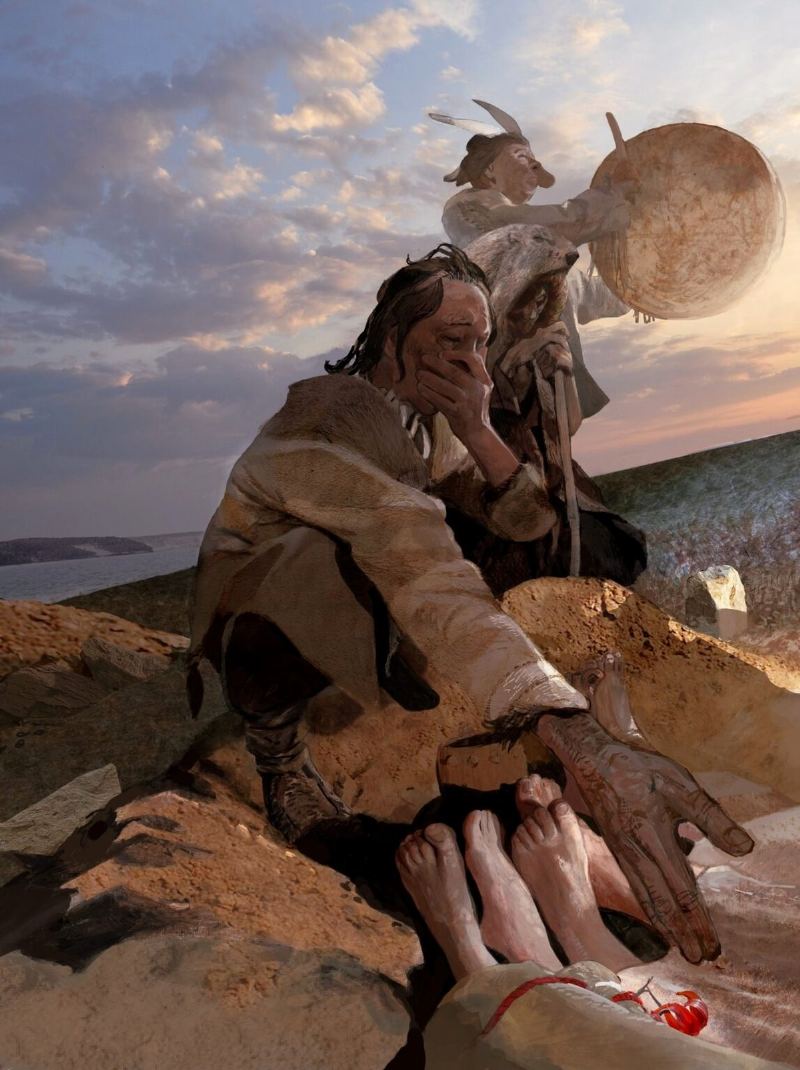
The outbreak is believed to have started after humans came into contact with infected groundhogs. These animals may still serve as a natural reservoir for plague in the region, as ancient Siberians hunted groundhogs for meat and fur.
Subsequently, the plague likely spread among groups of hunter-gatherers living along the Angara River, who had familial ties. The same strain was found in individuals from different cemeteries located several kilometers apart, and genetic analysis indicated a relationship among the victims of the epidemic.
Interestingly, the strain of plague found by scientists did not yet exhibit some characteristics of later bubonic plague: for instance, it lacked genes necessary for effective transmission through fleas and the formation of buboes. However, even in ancient times, the plague was extremely dangerous and deadly.