Glacier Melting Threatens Unique Life Forms
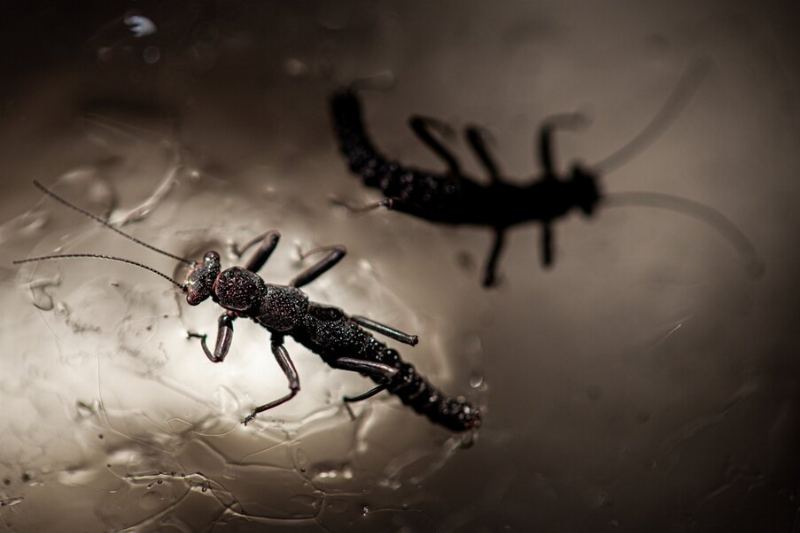
A team of international researchers has created a map of the hidden life within ice masses. They analyzed thousands of scientific papers and discovered over 150 species of terrestrial and freshwater organisms living in these extreme conditions. Nearly half of these species are specialists that cannot survive elsewhere. Projections indicate that by 2100, many will lose their homes due to climate change, leading to an irretrievable loss of global biodiversity.
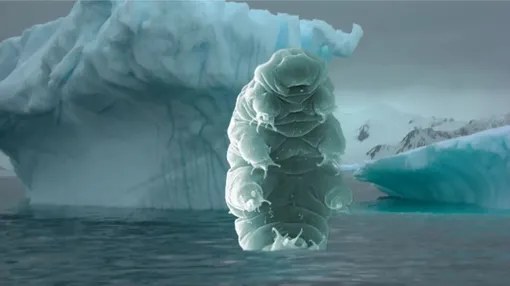
Tardigrades hold a special place among glacier inhabitants. These organisms have developed remarkable protective mechanisms to survive extreme cold and intense UV radiation. They can enter states of anhydrobiosis and cryobiosis, nearly halting their metabolism and replacing water in their cells with special proteins and sugars that prevent destructive ice crystal formation. Studying such unique adaptations helps biologists understand the limits of life's endurance.
Read this article in full and everything else in Telegram, ad-free
Open in TelegramThanks, I just want to finish reading here
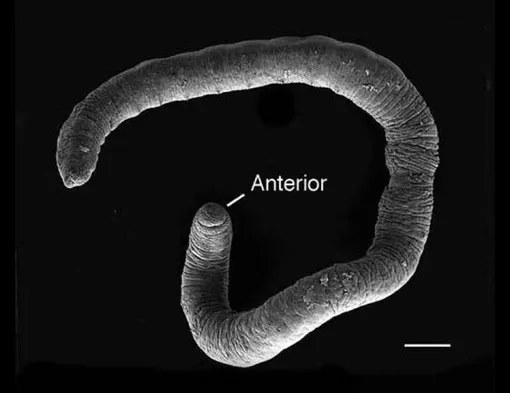
Glaciers are often perceived as lifeless masses of frozen water. In reality, they are complex, dynamic ecosystems inhabited by numerous microscopic and small organisms, such as rotifers and copepods. The study identified 152 species of animals living in glacial biotopes and mapped around 500 confirmed habitats.
By correlating this data with climate models, researchers reached alarming conclusions about the future of cryosphere inhabitants. The catastrophic reduction of ice areas will deal an irreparable blow to fauna that has evolved to live in freezing temperatures. Climate change is literally erasing their familiar world, leaving less time for studying and saving these organisms.
Consequences of Warming and Extinction Threats
According to an intermediate climate change scenario, by the end of the century, 18 species of glacial specialists will lose over 90% of their natural habitat. For 5 species primarily found in the rapidly melting European Alps, the forecasts are even harsher — their living space will disappear completely.
Researchers emphasize the paradoxical nature of this process. New, more species-rich ecosystems will eventually form in the areas freed from ice, temporarily increasing local diversity. However, unique cold-adapted endemics will vanish forever, leading to a decline in global biological diversity. The authors warn: "Several glacial specialist species may face complete habitat loss, potentially leading to local extinctions."