A Hidden World of Fungi Discovered Beneath the Great Lakes
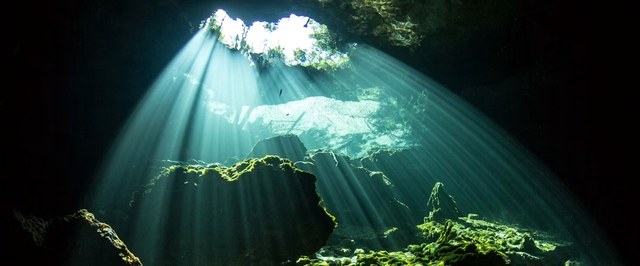
Researchers estimate that this ecosystem is over 10,000 years old.
Under the Great Lakes region in the USA, scientists have found an unknown ecosystem that has existed for millennia without sunlight. In the underground waters, fungi, bacteria, worms, and tardigrades thrive, relying on ancient rock formations for nutrients.
Researchers analyzed water from gas wells drilled between 198 and 500 meters deep in the Antrim shale formation. Isotope analysis revealed that the water last interacted with the surface around 11,000 years ago, during the melting of glaciers.
They identified 689 species of fungi, including 13 previously unknown to science. One drop of water contained about 250 fungal cells — roughly the same amount found in a drop of ocean water. According to researchers, in the volume of an Olympic swimming pool, their number could reach 12 trillion.
Read this article in full and everything else in Telegram, ad-free
Open in TelegramThanks, I just want to finish reading here
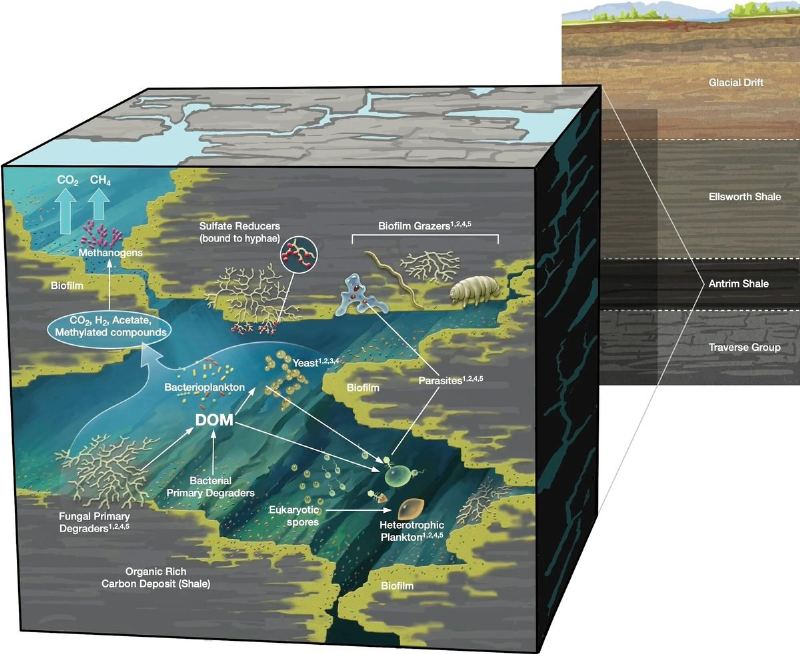
It is likely that meltwater carried microorganisms from the surface through porous and cracked rock layers thousands of years ago. Once trapped in the fissures of shale, fungi and bacteria began to process organic matter preserved within the stone.
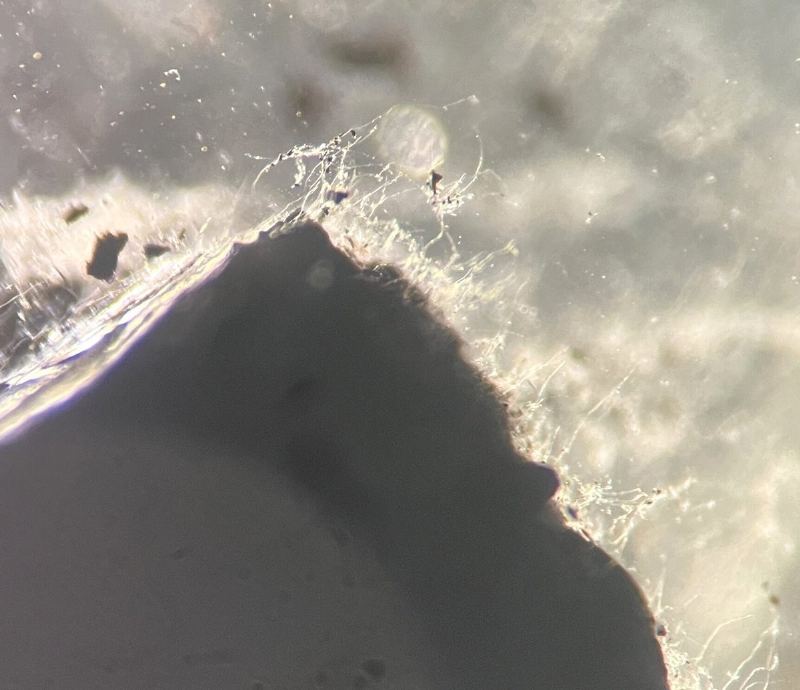
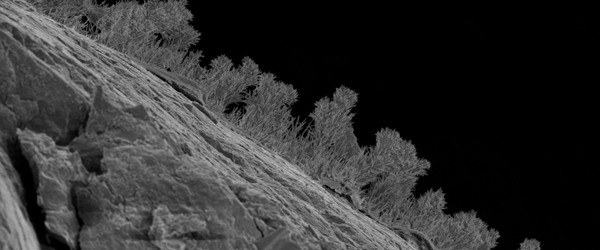
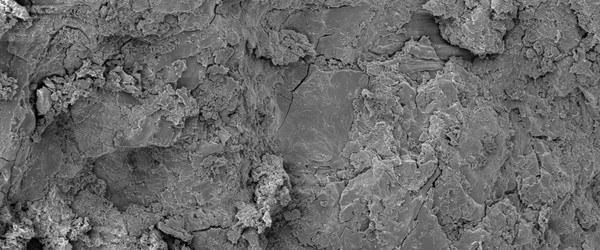
In addition to microorganisms, researchers discovered segmented worms and tardigrades in the underground ecosystem. The deep-dwelling inhabitants form a complete food web: some organisms serve as food for others, while some species lead a parasitic lifestyle.
The discovery of such an ecosystem challenges the notion of deep layers of the Earth's crust as an environment unsuitable for complex life forms. The authors of the study suggest that the scale of underground fungal biodiversity and the total biomass of living organisms on Earth are greatly underestimated — who knows what else lies hidden below.