Innovative Eco-Friendly Lithium Extraction Techniques
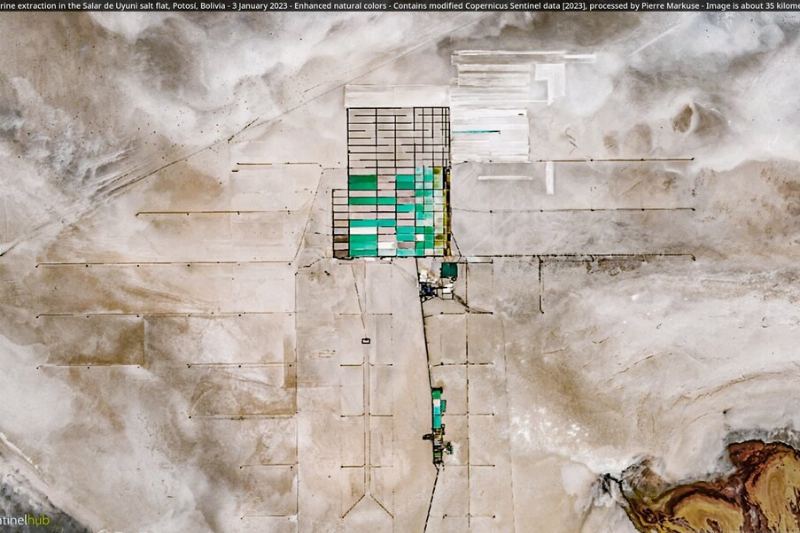
The rising popularity of electric vehicles is driving a huge demand for lithium, but traditional extraction methods deplete freshwater supplies and harm ecosystems. Researchers are developing new direct extraction technologies from natural brines that not only conserve water but also allow for the extraction of up to 95% of this valuable element much faster than conventional evaporation methods.
Desalination plants supplying drinking water to arid coastal regions could serve as a source of lithium. The desalination process generates millions of tons of concentrated brine waste, which can be transformed into valuable battery raw materials.
Traditional lithium extraction from underground aquifers in dry areas relies on months of evaporation in large open ponds, resulting in significant water loss and leaving up to half of the useful metal in waste.
Read this article in full and everything else in Telegram, ad-free
Open in TelegramThanks, I just want to finish reading here
Researchers at Monash University in Australia proposed a strategy based on partial evaporation followed by selective dissolution. Laboratory tests showed that this new technology can extract up to 95% of lithium.
Moreover, solvents can be collected and reused, while accompanying solar condensation systems can capture evaporating water, returning it to the cycle. This is crucial for the desert regions of Chile and Argentina, which hold a quarter of the world's lithium reserves.
Professor Huantin Wang noted, “The main limitation of existing processes is freshwater, and it is also a very slow process.” The new method could help extract valuable metal even from industrial waste.
Alternative Heating
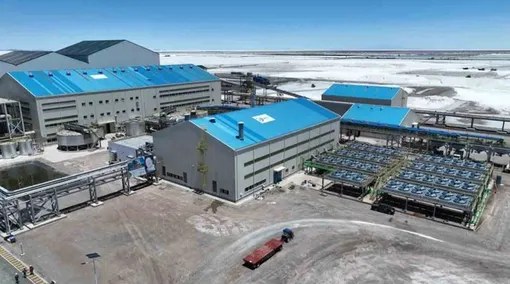
Other original concepts are also being developed. A startup at the Australian National University uses a temperature gradient for ion separation. This allows for the avoidance of evaporation ponds and the conservation of precious water.
Experts highlight the high potential of both technologies, although scaling them and commercial implementation will require significant investment.