Scientists Discover Traces of Unknown Hominins in Human DNA
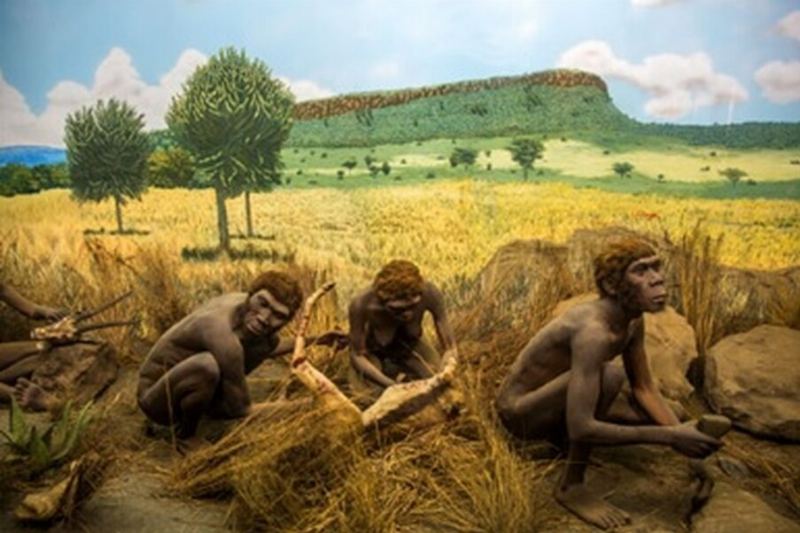
Scientists have used a new computational method called TRACE to uncover traces of two previously unknown archaic hominin lineages in the genomes of modern humans. The first group interbred with humans in Africa over 50,000 years ago, while the second, dubbed the “super archaic,” transmitted its DNA through Denisovans in Eurasia. This discovery shows that hidden episodes of human evolution can be reconstructed even without analyzing ancient fossils.
So far, researchers have fully sequenced only six quality genomes of ancient hominins — four Neanderthal and two Denisovan, all found exclusively in Eurasia. Due to the scarcity of fossils, especially in the hot climate of Africa where organic material quickly deteriorates, geneticists have learned to use the DNA of modern humans as a “time capsule” to search for lost species.
The TRACE algorithm reconstructs genealogical connections directly from the DNA of living people. This has allowed researchers to pinpoint fragments that trace back deep into the past. They identified a “phantom” lineage that diverged from the common tree about 800,000 years ago, with its mixing with Homo sapiens occurring before the mass migration of humans out of Africa. As a result, fragments of this group’s genome are present in every person on Earth, ranging from 0.5% to 1%. The work is published in the journal Science.
Read this article in full and everything else in Telegram, ad-free
Open in TelegramThanks, I just want to finish reading here
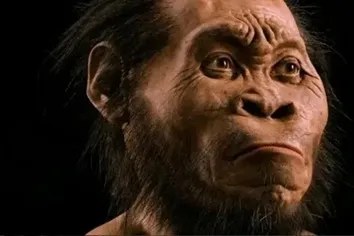
Co-author Yuilin Zhang emphasized the significance of this finding: “Previous publications suggested that modern humans might have a phantom ancestry from unknown archaic lineages, but researchers could not conclude whether this unknown admixture was present only in Africans and when exactly the mixing occurred. We managed to find and map the segments of modern human genomes derived from this phantom lineage, showing that this admixture exists in all modern humans, not just in Africans.”
Traces of Ancient Hominins and Adaptation
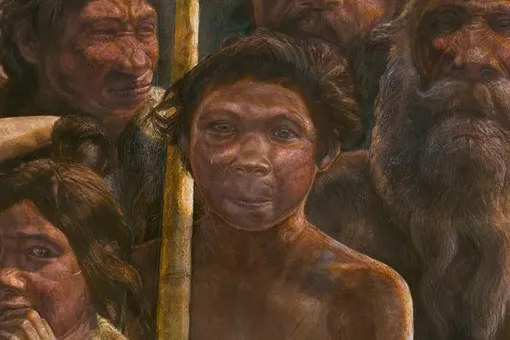
The other identified lineage is even older, estimated to be around 1.8 million years old. This population interbred not directly with Homo sapiens, but with Denisovans. When Denisovans later mixed with modern humans, part of the “super archaic” DNA was passed on to our species. These traces are most pronounced in the indigenous populations of Oceania, which have a high level of Denisovan heritage.
In total, both identified branches make up about 2% of the modern human genome. A significant portion of the identified fragments is concentrated in genes responsible for immunity and metabolism, indicating that the genetic material helped ancient humans adapt to new infections, diets, and environmental conditions.