Discover Germany's Hidden Islands: Nature and Relaxation Await
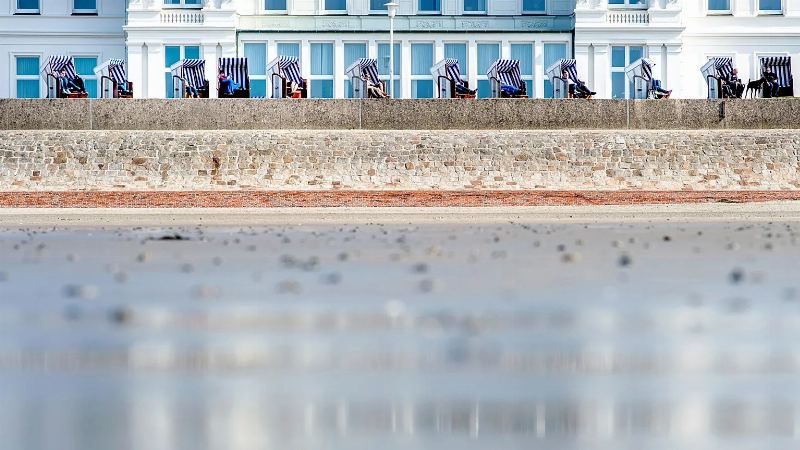
Germany's lesser-known islands offer what many seek today: less hustle, more nature, and authentic experiences. Whether it's the Wadden Sea, Baltic beaches, or tranquil landscapes, these small islands often provide the ultimate getaway during a short vacation.
Hiddensee: A Baltic Island for Relaxed Getaways
Hiddensee in Mecklenburg-Vorpommern is no longer a secret spot for connoisseurs, but it remains less known to many travelers compared to Rügen or Usedom. This small island, about 17 kilometers long, is car-free; people typically get around by bicycle, horse-drawn carriage, or on foot.
It features long sandy beaches, dune landscapes, and the northern Dornbusch with its lighthouse.
Ummanz: Island Vibes Without the Crowds
Ummanz, located west of Rügen in Mecklenburg-Vorpommern, is considered one of the calmest islands in the German Baltic. It is connected to Rügen by a bridge, making it easy to visit even for a short time.
Flat landscapes with meadows, salt marshes, and small villages create a paradise for nature lovers and photographers. In autumn, thousands of cranes stop here for rest – a stunning natural spectacle.
Pöhl: Baltic Relaxation Without Mass Tourism
Pöhl lies between Wismar and Rügen and is often underrated. This Baltic island boasts wide beaches, cozy villages, and a laid-back atmosphere.
Biking along the coast, hiking the rugged shores, and visiting the historic lighthouse in Timmendorf are particularly popular. Pöhl is a great alternative for those wanting to experience Baltic charm while avoiding the hustle of larger resorts.
Wilm: Germany's Small Natural Island
Wilm off the coast of Rügen is one of Germany's most protected natural areas. Only a limited number of visitors are allowed daily; the island is known for its ancient beech forest, untouched nature, and status as a nature reserve. Visits are only possible as part of organized tours.
Neuwerk: Island Getaway Amid the Wadden Sea
The small island of Neuwerk administratively belongs to Hamburg but is located about a hundred kilometers away in the Wadden Sea off the coast of Lower Saxony. It is part of the Hamburg Wadden Sea National Park.
During low tide, visitors can walk to the island or take special Wadden wagons. The historic 14th-century lighthouse is the island's symbol. Those who stay overnight experience a unique atmosphere: almost complete silence and a mesmerizing starry sky.
Read this article in full and everything else in Telegram, ad-free
Open in TelegramThanks, I just want to finish reading here
East Frisia: A Natural Paradise with Tranquility
Baltic Sea – the smallest inhabited East Frisian island, often referred to as the “Sleeping Beauty of the North Sea.” Its area is less than seven square kilometers, making it easy to explore on foot.
There are no cars here: the rhythm of life is set by bicycles, horse-drawn carts, and the sound of the surf. Walking on the mudflats, long beach walks, and views of the North Sea make Balthrum an ideal destination for a short break.
Langeoog, although part of the more famous East Frisian islands, remains noticeably calmer compared to larger North Sea resorts. The car-free island offers kilometers of sandy beaches, dune landscapes, and a rich birdlife.
A short trip to Langeoog is especially delightful in spring and autumn when there are fewer tourists, and walks by the sea are particularly impressive.
Spiekeroog is one of the quietest East Frisian islands. This car-free island is known for its nearly untouched dune area, old linden alleys, and long sandy beach. Unlike some neighboring islands, Spiekeroog focuses on nature, tranquility, and rejuvenation. Popular activities include dune walks, mudflat hikes, and cycling trips.
Wangerooge, the easternmost inhabited East Frisian island, is perfect for long weekends. The island is car-free and, in addition to its beaches, offers natural areas with seabirds and seals. A trip on the island's railway from the port to the village is particularly memorable.
Juist stretches about 17 kilometers long but only a few kilometers wide, making it one of the longest East Frisian islands. Thanks to horse-drawn carriages instead of cars, a special tranquility prevails here. The wide sandy flats, Wadden Sea, and endless horizons make Juist a popular destination for nature lovers.
Arngast can no longer be called a classic resort island, but it is an interesting place to visit. The former island in the Jade Bay near Wilhelmshaven is primarily known for the Arngast lighthouse, which stands right in the middle of the mudflats. During low tide, the unique landscape can be seen during organized mudflat walks.
Islands in Southern Germany: A Break at Chiemsee
Not only the North and Baltic Seas offer island experiences. In southern Germany, there are also special islands – right in the heart of the Bavarian pre-Alps. The Chiemsee islands clearly show that you don't have to go to the sea to feel like you're on an island.
Fraueninsel: Monastery, Gardens, and Bavarian Island Romance
Fraueninsel is perhaps the most famous island on Chiemsee and one of the most atmospheric. Small, only about 15 hectares, the island is car-free and easy to explore on foot. The heart of the island is the historic women's Benedictine monastery Frauenwörth, often referred to as the Frauenchiemsee monastery, where nuns still live today. The monastery was founded in 782 by Bavarian Duke Tassilo III and is one of the oldest active women's monasteries in Germany.
In addition to the monastery, the island's appearance is shaped by small gardens, old fishermen's houses, narrow streets, and numerous artisan shops. The combination of lake, mountains, and historical architecture creates a unique atmosphere on Fraueninsel.
Krautinsel: A Quiet Natural Oasis on Chiemsee
Krautinsel is the smallest and also the most “wild” of the three major Chiemsee islands. It is uninhabited and primarily serves as a natural area. The island got its name from its former use: it was once used to grow vegetables, especially cabbage, supplying the residents of the surrounding islands.
Today, Krautinsel is primarily a refuge for plants and animals. The flat green island with meadows and reed beds gives an idea of what the natural landscapes of Chiemsee once looked like. Landing on the island is not allowed – it is best admired from a boat or while walking around the lake.
It clearly proves that the feeling of being on an island does not have to be associated with beaches and swimming.
Herreninsel: A Royal Story and Walking Trails
Herreninsel, covering about 230 hectares, is the largest island in Chiemsee, known primarily for Herrenchiemsee Palace. Bavarian King Ludwig II began building it in 1878 after the model of the Palace of Versailles – as a tribute to French King Louis XIV.
Away from this main tourist attraction, a significant part of Herreninsel is occupied by forests, meadows, and quiet walking paths. Those who stray from the main routes find secluded spots with views of the lake and the Alps.