Ancient Hunters Preferred Female Woolly Mammoths
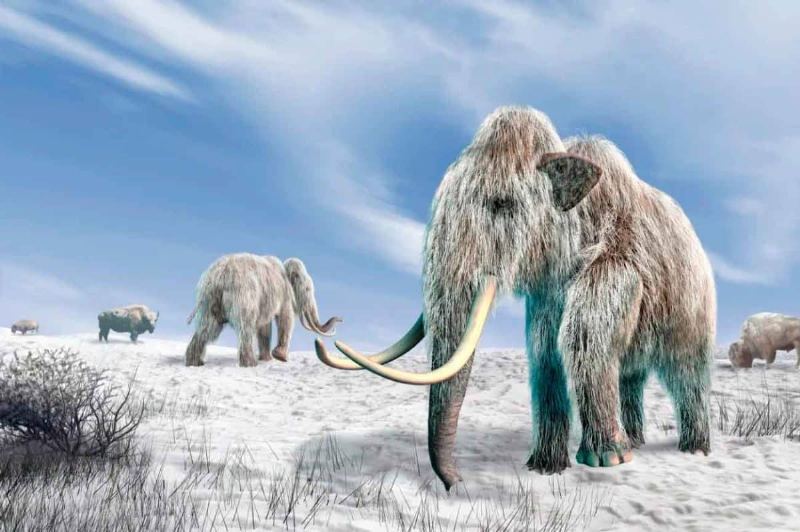
Among the mammoths whose bones were found at ancient human sites, females were twice as common as males. Among animals that died naturally, the sex ratio was reversed. The study suggests that ancient humans deliberately chose their prey, employing a strategic approach.
For over 100 years, archaeologists have debated the origins of the vast bone deposits of woolly mammoths (Mammuthus primigenius) found at Paleolithic sites in Eurasia and North America.
There are two main theories. The first posits that Mammuthus primigenius were hunted by humans, as evidenced by ancient hearths and stone tools found alongside the bones. These giants were a crucial food source, providing hunters with meat and fat, while their hides and bones were used for construction.
Read this article in full and everything else in Telegram, ad-free
Open in TelegramThanks, I just want to finish reading here
Proponents of the second theory believe that humans collected valuable materials at sites of natural mammoth deaths, avoiding direct hunting.
An international team of paleogeneticists led by Hannah Moots from the Centre for Paleogenetics in Sweden analyzed the DNA of 521 mammoths. Of the 100 animals found at ancient human sites, 70 were females, a statistic difficult to attribute to chance.
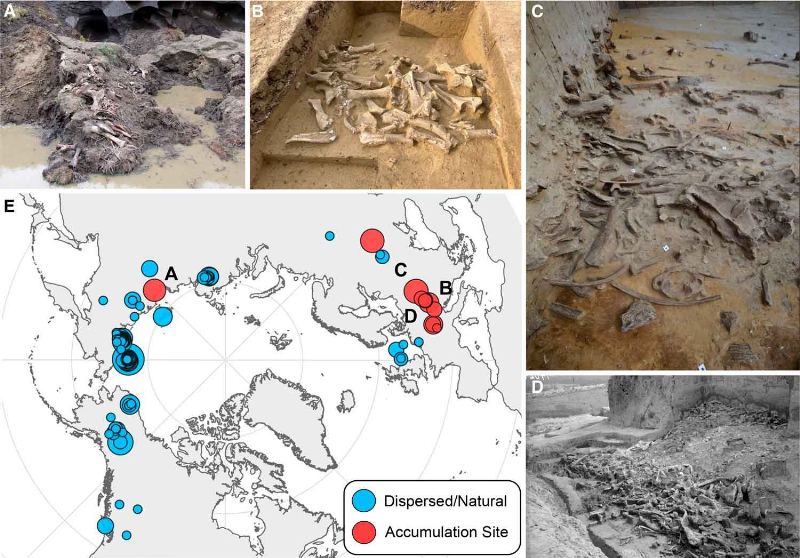
If the bone deposits had formed naturally, one would expect an equal number of males and females. However, at ancient human sites, there is a predominance of females, indicating systematic hunting of them.
Paleontologists proposed two explanations for the hunters' choice. Females were smaller and less mobile, making them more vulnerable. Additionally, females with calves likely followed predictable seasonal routes, making them easier targets.
This hunting strategy indicates that ancient humans had a good understanding of mammoth behavior and utilized it to their advantage. These findings will enhance our understanding of how Ice Age humans interacted with mammoths and their role in human life.
The researchers' conclusions are published in the journal Current Biology.