Tashkent's Modernist Architecture Added to UNESCO World Heritage List
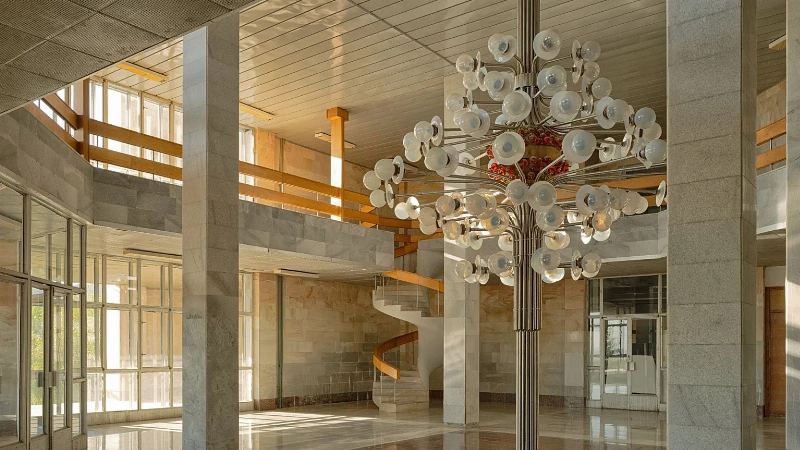
A group of ten modernist buildings and urban complexes associated with the transformation of Tashkent has been added to the UNESCO World Heritage List, bringing international recognition to a significant period in Central Asian architectural history.
The official title of the serial property is "Modernist Architecture of Tashkent: Modernity and Tradition in Central Asia." It includes buildings constructed from the 1960s to the early 1990s.
UNESCO describes this ensemble as an example of how international modernism in architecture was adapted to local cultural traditions, climatic conditions, and seismic risks faced by the Uzbek capital.
The decision was made at the 48th session of the UNESCO World Heritage Committee, held in Busan (South Korea) from July 19 to 29, 2026. The property was inscribed on the list under criterion IV, which applies to outstanding examples of architectural or urban planning development that reflect an important period in human history.
Modern City Shaped After the Earthquake
The modernist transformation of Tashkent began even before the devastating earthquake of 1966, but the disaster significantly accelerated the city's reconstruction on a much larger scale.
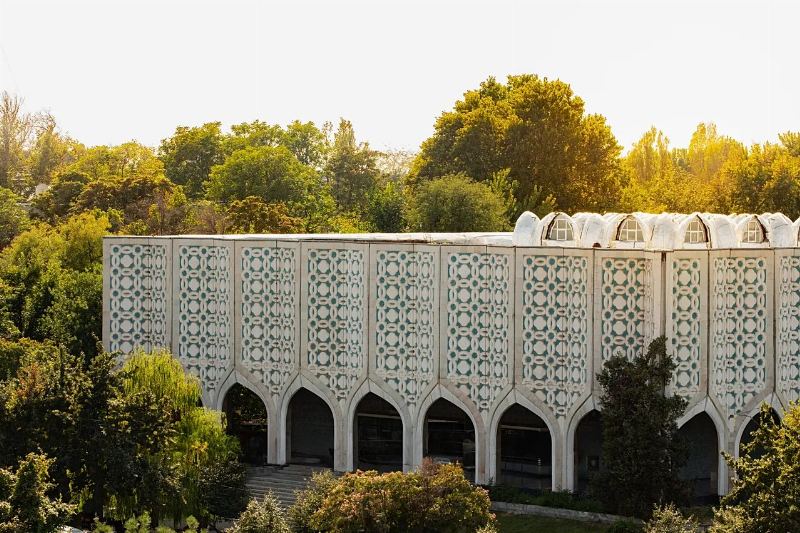
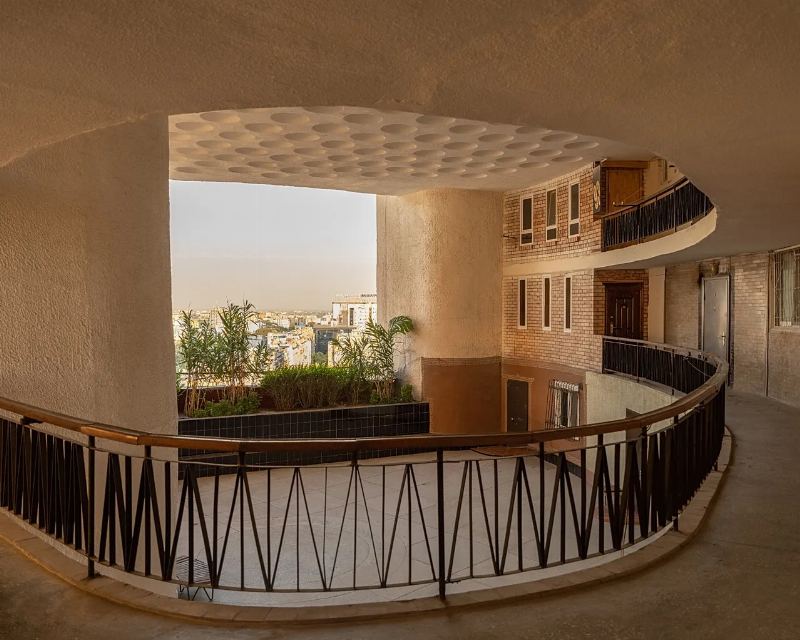
New avenues, public squares, residential complexes, museums, and cultural institutions changed the face of the capital. International modernist principles were combined here with internal courtyards, loggias, geometric decor, and monumental artworks rooted in Uzbekistan's architectural and craft traditions.
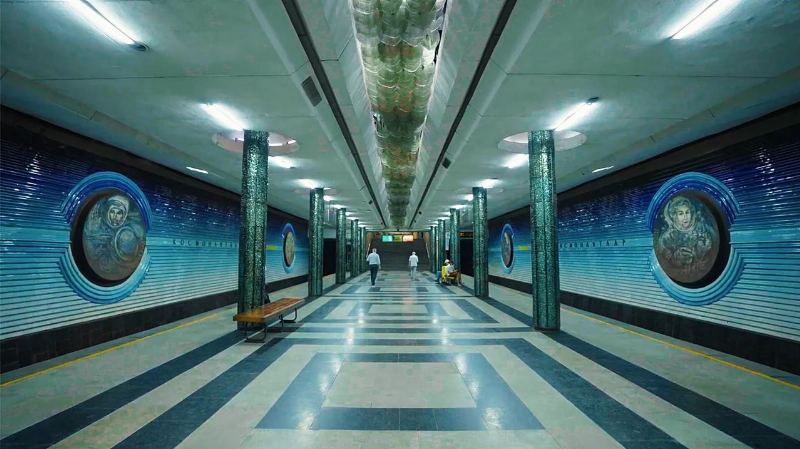
Architectural solutions took into account the practical needs of the region. Deep facades, screens, and shaded spaces helped cope with the exhausting summer heat, while new construction technologies provided increased earthquake resistance.
Read this article in full and everything else in Telegram, ad-free
Open in TelegramThanks, I just want to finish reading here
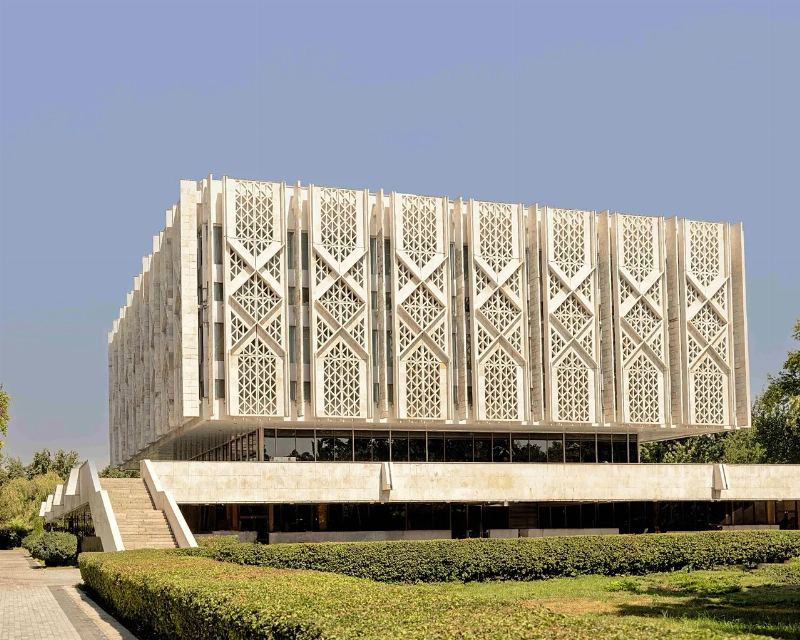
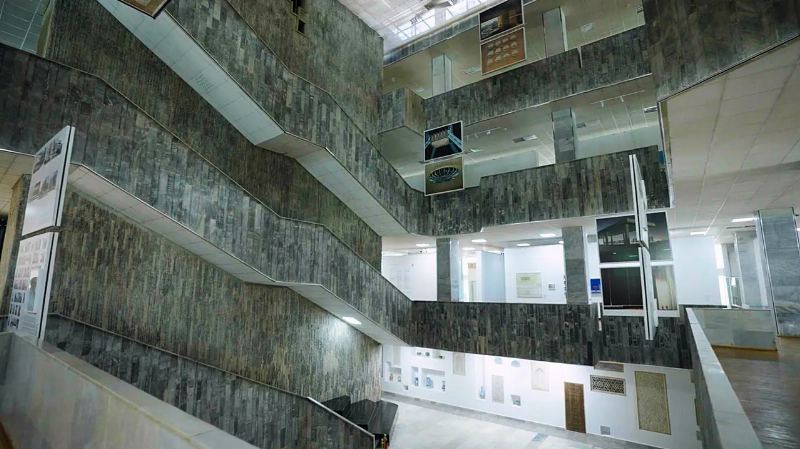
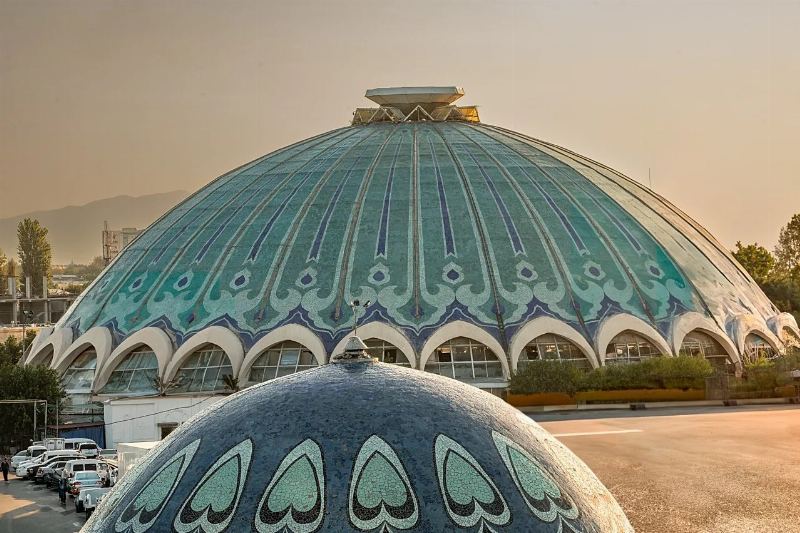
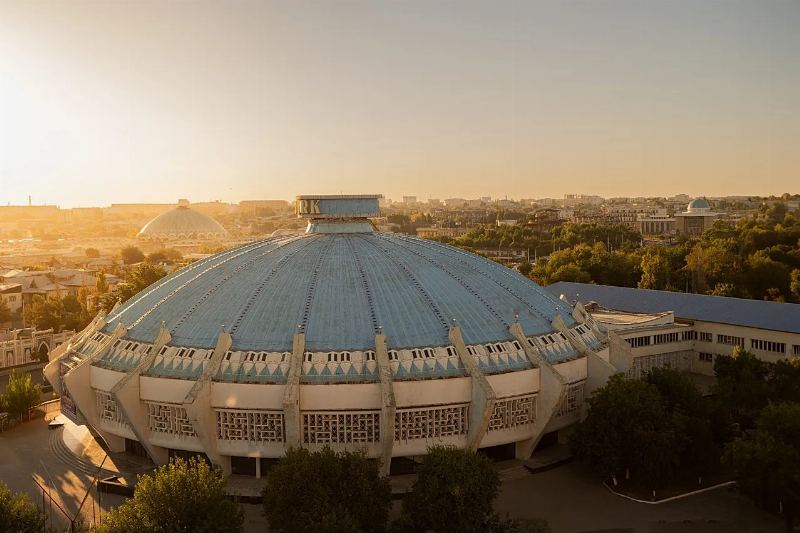
The ten components of the property include the residential building "Pearl," the State Museum of History, the Central Exhibition Hall of the Academy of Arts, the "Kosmonavtlar" metro station, the Great Solar Furnace, also known as the solar heliocomplex, the Palace of Friendship of Peoples, the State Museum of Arts, the State Circus, the "Chorsu" market, and the Alisher Navoi Cinema Palace.
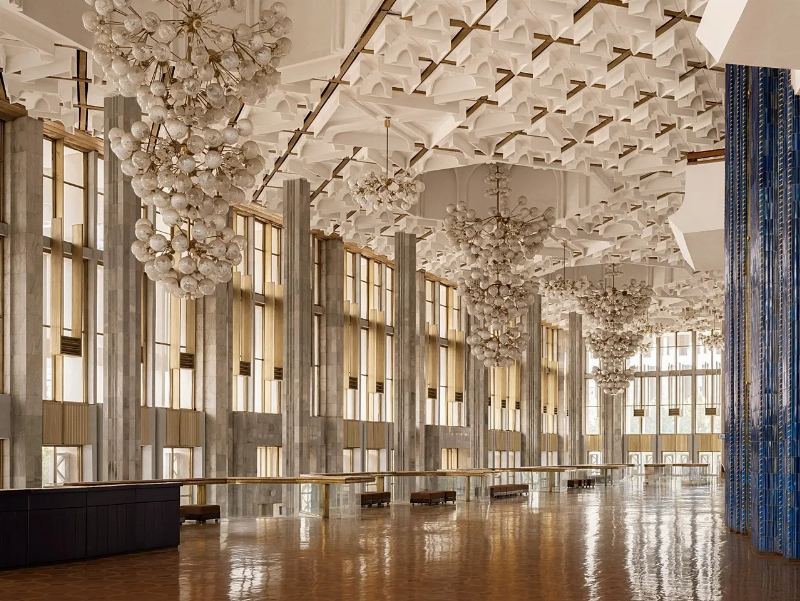
Nine out of ten are located along the main urban thoroughfares formed during the reconstruction of central Tashkent. The Great Solar Furnace, an experimental scientific complex completed in the late 1980s, is located outside the capital, near Parkent.
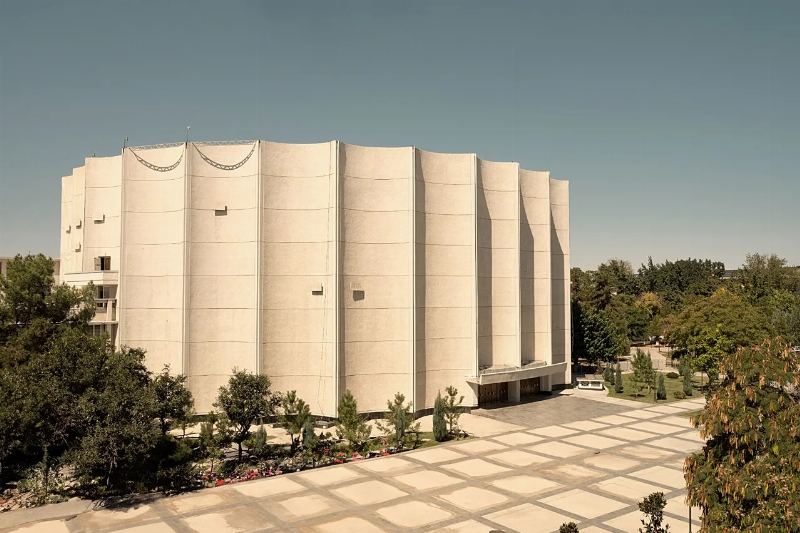
Together, these objects demonstrate how modernist architecture was used for a variety of public and everyday functions - from housing and transportation to museums, leisure, commerce, and scientific research.
"This recognition highlights the value not only of individual buildings but also of an entire era," said Saida Mirziyoyeva, head of the Administration of the President of Uzbekistan.
According to Mirziyoyeva, the architecture created after the earthquake combined modern design, Central Asian traditions, and solutions adapted to the country's climate.
Preserving a Recent Layer of Cultural History
Many of these buildings are still actively used and continue to shape the everyday life of Tashkent. Their inclusion in the list reflects a broader reassessment of attitudes toward 20th-century architecture, which, despite its significance for the identity and collective memory of modern cities, is often less protected than older monuments.
Gayané Umerova, chair of the Cultural Development Fund of Uzbekistan and the National Commission for UNESCO, noted that the inclusion of the property in the list integrates an important part of Uzbekistan's recent architectural history into the international narrative of 20th-century heritage and the global modernist movement.
"These buildings capture how Tashkent envisioned public life, collective identity, and the future through architecture," said Mirziyoyeva.
"UNESCO's recognition also imposes a long-term responsibility: to carefully preserve these buildings, maintain their living connection with the city, and pass on the associated knowledge to future generations."
Cultural and Natural World Heritage Sites in Uzbekistan
With this inclusion, the number of cultural sites in Uzbekistan on the World Heritage List has reached six. The other five are Itchan Kala in Khiva, the historic centers of Bukhara and Shakhrisabz, "Samarkand - Crossroad of Cultures," and the transnational site "Silk Roads: Zarafshan-Karakum Corridor."
There are also two natural sites from Uzbekistan on the list. The "Western Tien Shan," included in 2016, covers the areas of Maydantal and Bashkizilsay within the Chatkal State Biosphere Reserve in Uzbekistan - territories known for their mountainous landscapes, forests, and rich biodiversity.
The site "Cold Winter Deserts of Turan," added to the list in 2023, includes five components in western Uzbekistan: Saygachiy, Saygachiy-Belevli, Saygachiy-Duana, Saygachiy-Zhideyli, and Southern Ustyurt. These areas, part of a larger transnational site jointly protected by Kazakhstan and Turkmenistan, safeguard desert ecosystems adapted to extremely arid climates, cold winters, and hot summers.