Mammals of North and South America Met Long Before the Panama Isthmus
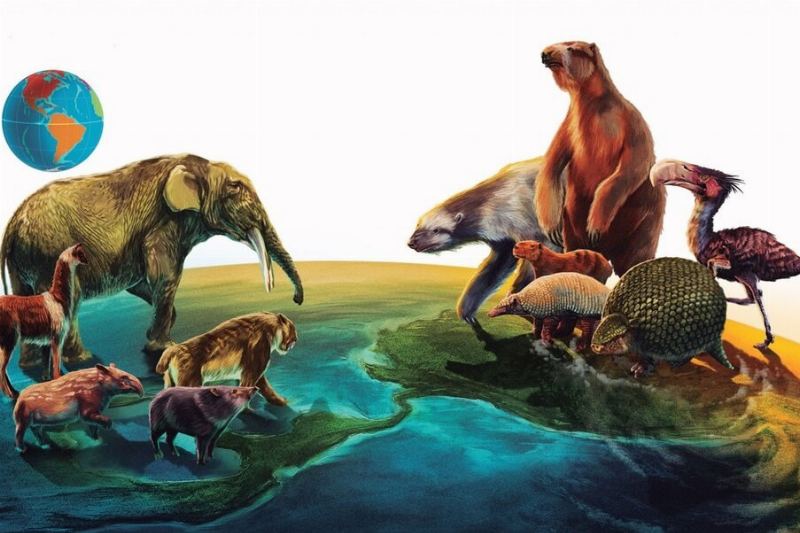
Scientists have revised the understanding of mammal migration between North and South America. Paleontologists discovered that animals began moving long before the formation of the Panama Isthmus. They gathered in southern North America for millions of years, and some species crossed to the neighboring continent via islands on floating vegetation. Ground sloths swam across.
Giant ground sloths, reaching the size of elephants, weighed up to four tons and could reach the upper branches of trees. Unlike their modern tree-dwelling relatives, these extinct giants roamed freely across the open landscapes of North America.
It was long believed that the migration of mammals began only after the formation of the Panama Isthmus about 2.8 million years ago. However, an analysis of fossils from Mexico showed that migration started much earlier. The study was published in the journal Science.
Read this article in full and everything else in Telegram, ad-free
Open in TelegramThanks, I just want to finish reading here
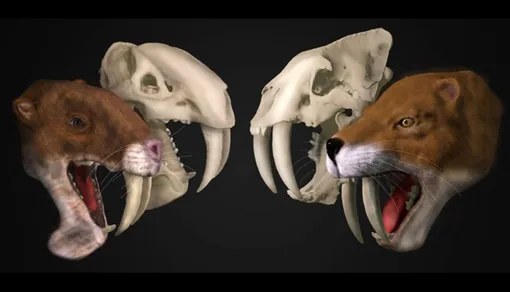
Predators with long canines appeared in both North and South America and began to compete after the continents were connected. The marsupial saber-toothed cat from South America was smaller than the smilodon, which lived in North America until about 10,000 years ago. Ultimately, saber-toothed cats displaced marsupial saber-tooths.
Ten million years ago, animals from North America began migrating south, adapting to the tropical climate. Xiaoming Wang from the Los Angeles County Museum of Natural History noted that the fossil record of South America is less rich, which may be due to a lack of research.
Evolutionary Breakthrough and the Great Exchange
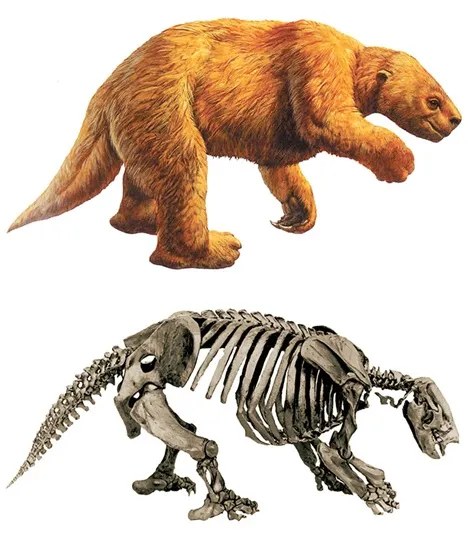
Ground sloths, which could reach the size of small elephants, spread into North America via the Panama land bridge.
Between 7 and 3 million years ago, small groups of animals began to overcome water barriers. Small rodents and raccoon ancestors reached the southern continent on floating objects. Ground sloths, like modern sloths, were excellent swimmers and were not afraid of water.
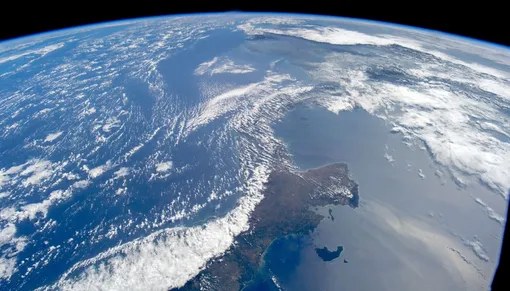
When the isthmus was finally formed, migration became massive. Placental mammals from the north proved to be more successful in competitive struggles than southern marsupials, shaping the modern fauna of both continents.