Brain Stimulation: How Technology is Transforming Sports
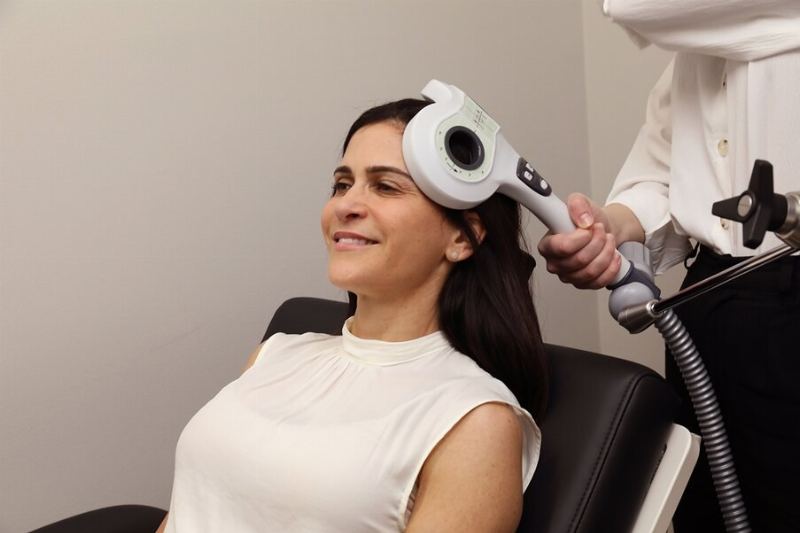
Non-invasive brain stimulation technologies, including focused ultrasound, weak electrical currents, and magnetic fields, are opening new possibilities for mastering complex physical actions. Researchers aim to enhance neuroplasticity—the brain's ability to form new connections, which is crucial in sports. However, this stimulation leaves no chemical traces, making it impossible to detect the use of 'neurodoping.'
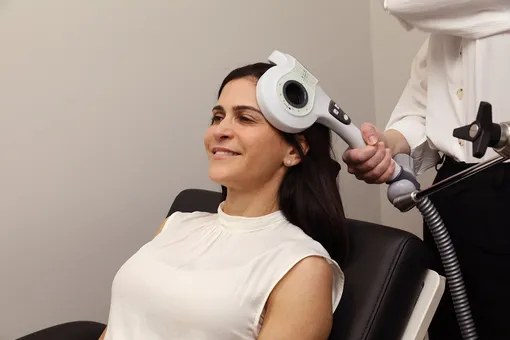
Alongside scientific research, a movement known as neurohacking is emerging. Enthusiasts are assembling brain stimulation devices at home from readily available components. Taking advantage of the lack of strict regulations for gadgets not registered as medical devices, users attempt to enhance memory, reaction speed, and concentration. These experiments occur without medical supervision, raising concerns within the professional community.
Transcranial stimulation is a method of influencing the cerebral cortex through undamaged skull tissues. In the electrical variant (tDCS), electrodes are attached to the head, delivering a weak constant current that alters the membrane potential of neurons. The magnetic method (TMS) uses an induction coil to create a rapidly changing field that excites nerve cells. As a result, circuits responsible for movement, memory, and learning are activated or inhibited.
Read this article in full and everything else in Telegram, ad-free
Open in TelegramThanks, I just want to finish reading here
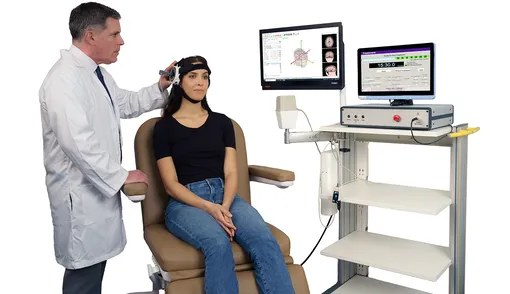
Despite initial optimistic results, scientists face data heterogeneity: the effectiveness of the method heavily depends on the anatomy, age, and initial skill level of the individual. The brain does not have a single learning zone, and stimulating deep structures requires precision. Nevertheless, experiments continue, and methods are evolving.
From Laboratories to Training Rooms
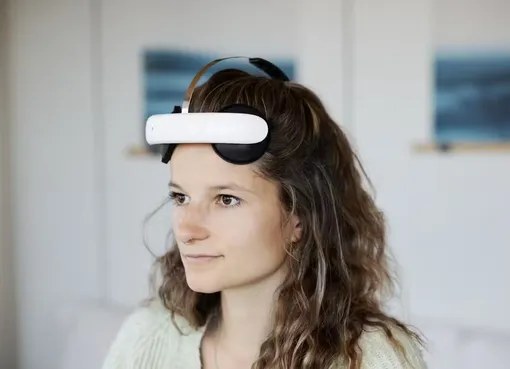
The device from Flow Neuroscience for conducting transcranial stimulation with direct current (tDCS) at home has received FDA approval for use in treating depression.
The modern approach focuses on targeting specific neural circuits during training, strengthening connections between simultaneously active neurons. This makes the impact potentially more reliable and effective.
However, as technologies move beyond laboratories, serious regulatory questions arise. Portable devices for home use that do not require certification are already appearing on the market. While it is unlikely that stimulation will instantly turn an amateur into a virtuoso, the line between science fiction and reality is quickly blurring, raising ethical questions about enhancing human capabilities.
In modern sports, the use of neurostimulation during training has already been given the official term 'neurodoping.' The problem is that this 'doping' leaves no chemical traces, making it impossible to register its use through independent research.