New Vaccine Saves Cats from Deadly Infectious Peritonitis
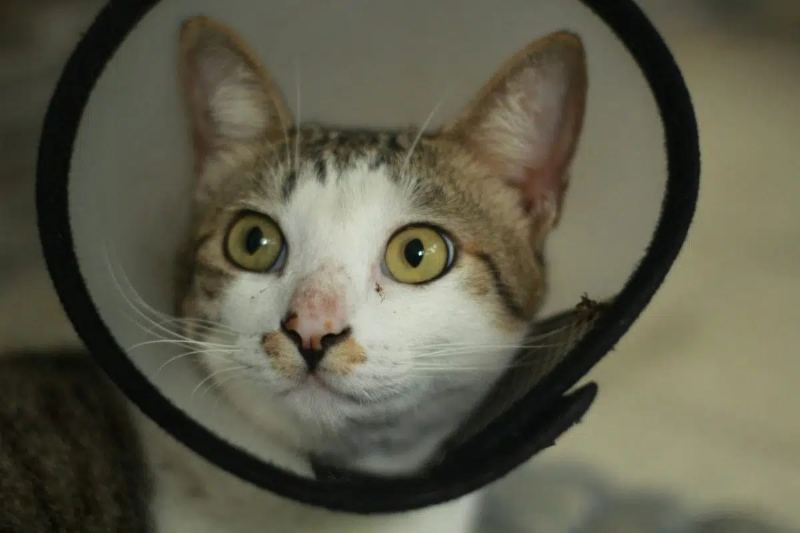
One of the main challenges in developing a vaccine against feline infectious peritonitis (FIP) is the risk that the immune response may not protect the animal and could even worsen the infection. A new experimental vaccine has successfully addressed this issue in trials with cats: all animals that received its three-component version survived the infection.
FIP is a severe disease associated with feline coronavirus. In most infected individuals, it does not cause serious consequences, but in some cases, the infection leads to the development of FIP, which can affect various organs and often results in death.
Creating a reliable vaccine is not easy: antibodies produced in response to certain viral proteins can facilitate the virus's entry into cells and enhance the infection. This is known as antibody-dependent enhancement (ADE). Recently, scientists developed a vaccine that focuses not so much on antibodies to the virus's surface proteins but on cellular immunity, where T-lymphocytes play a crucial role.
The vaccine is based on the nucleocapsid protein (N-protein), which is found inside the viral particle and is involved in packaging its genetic material. This protein is relatively conservative and can serve as a target for immune cells.
Read this article in full and everything else in Telegram, ad-free
Open in TelegramThanks, I just want to finish reading here
One N-protein alone was insufficient for maximum protection. Researchers combined it with two additional components and placed all three on nanoparticles made from ferritin.
The second component was the E2 protein of the hepatitis C virus, which is not intended for protection against hepatitis but to enhance the delivery of the antigen to antigen-presenting cells of the immune system. The third component was interferon-gamma, a signaling protein that stimulates cellular immune responses.
Researchers from Heilongjiang Bayi Agricultural University (China) tested the effectiveness of different vaccine variants on kittens aged three to five months. After three vaccinations, the animals were infected with a strain of feline coronavirus that causes FIP and were observed for 60 days.
The results depended on the composition of the vaccine. Among the animals that received nanoparticles containing only the N-protein, two out of eight survived. Adding the E2 protein increased the survival rate to 50%. The variant with interferon-gamma ensured the survival of five out of eight cats. The study was published in Nature Communications.
The best result was achieved with the three-component vaccine: all eight animals that received it survived. In comparison, none of the eight cats in the inactivated vaccine group survived.
Analysis revealed that the three-component vaccine elicited the strongest functional response of T-cells to the N-protein of the virus. Researchers also observed changes in immune cell populations and gene activity related to antigen presentation and the function of memory T-lymphocytes.
Now, the new three-component vaccine must undergo further testing. The experiment involved small groups of cats, and it is still unknown how well the vaccine will protect cats of different ages and sexes.