New Dinosaur: How Infernogallus jamesi Chewed Cherries and Peaches
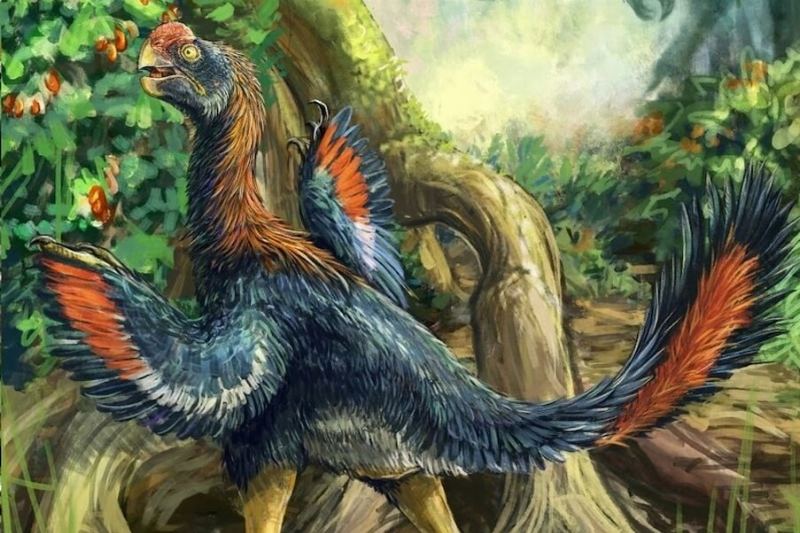
Paleontologists have studied a well-preserved skeleton of a small dinosaur that lived about 66–68 million years ago in what is now North America. The structure of its jaws and beak indicates an unusual specialization for dinosaurs: the animal could feed on soft fruits similar to modern cherries and peaches.
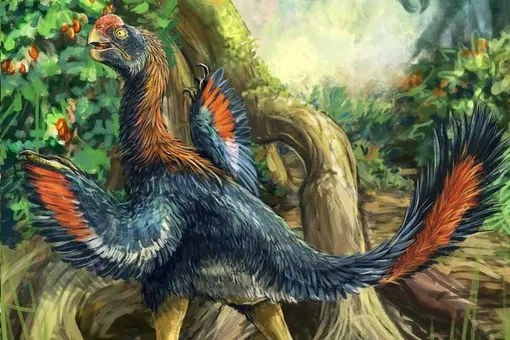
Many associate a dinosaur's meal with bloody hunts or feasting on the carcass of a fallen prey. However, some ancient reptiles seem to have chosen a much more peaceful menu. Scientists have found evidence that one dinosaur from the Cretaceous period was adapted to eating juicy fruits.
The species Infernogallus jamesi was discovered in 2011 in the Hell Creek formation in the USA. At that time, lush forests stretched here, where the first flowering plants were already producing fruits. The name of the dinosaur refers to the place of discovery: the Latin word inferno means "hell," and gallus means "chicken." The second part of the name honors the grandfather of one of the study's authors, who instilled in him an interest in paleontology.
Read this article in full and everything else in Telegram, ad-free
Open in TelegramThanks, I just want to finish reading here
The animal was about the size of a turkey and weighed around 12 kilograms. Its skeleton was almost completely preserved, except for the tail, and the skull turned out to be the most complete among known representatives of this group of toothless dinosaurs.
Beak Instead of Teeth
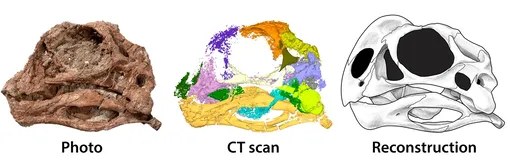
To determine the diet of Infernogallus jamesi, researchers examined the skull using computer tomography. The work was challenging: the bones of the lower jaw were crushed, and the fragile skull had to be scanned in parts and then combined into images.
The digital reconstruction allowed scientists to see details that could not be observed externally. By comparing them with the skulls of modern birds, researchers found that the dinosaur was unlikely to crush bones effectively. However, the muscles beneath its jaw were well developed and helped move it back and forth, allowing the animal to chew soft plant food.
The shape of the palate and small notches on the beak also indicate a plant-based diet. Some features of the skull resemble the beaks of modern parrots that feed on fruits. The results of the study were published in the journal Nature Communications.
Prehistoric Cherries
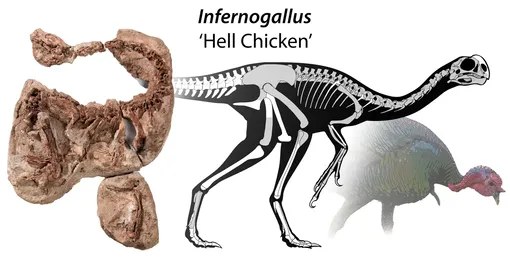
Particularly suitable food for Infernogallus could have been stone fruits – juicy fruits with a hard pit inside, similar to cherries and peaches. Such fruits appeared shortly before the emergence of this group of dinosaurs and later became larger and more numerous.
Researchers suggest that the animal fed not only on fruits but also on other soft plants. It is still unknown whether such dinosaurs helped spread seeds through forests and whether they influenced the evolution of flowering plants.