How Fear of Infection Changes Japanese Macaques' Behavior
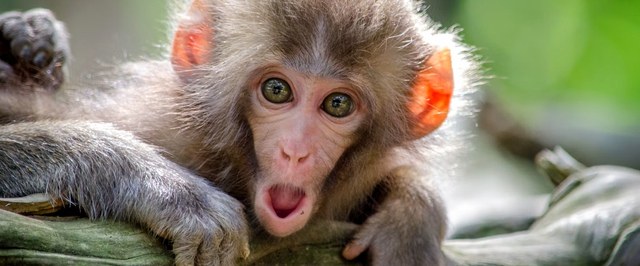
It turns out that ordinary monkeys are often willing to eat grapes from feces.
Japanese macaques can change their eating habits after encountering dangerous infections. This conclusion was reached by American scientists who studied the behavior of monkeys after an outbreak of a deadly disease at a sanctuary in southern Texas.
The study was conducted at the Born Free USA Primate Sanctuary, where an outbreak of a retroviral infection occurred in early 2020. The pathogen causes severe immunodeficiency similar to AIDS and is transmitted through infected biological fluids, particularly through bites and scratches.
The disease can lead to death just three to four weeks after infection. To combat the epidemic, sanctuary staff divided the animals into groups and implemented quarantine, allowing researchers to compare the behavior of macaques with different experiences of infection.
Read this article in full and everything else in Telegram, ad-free
Open in TelegramThanks, I just want to finish reading here
The experiment involved 55 Japanese macaques born in the sanctuary. Each monkey was offered two grapes: one on a clean plate and the other on feces with an epoxy coating. Grapes were considered a rare treat among the animals.
After nearly two hundred trials, it was found that macaques who experienced the epidemic ate the grape from the potentially contaminated surface 47% of the time. Among monkeys who avoided contact with the disease, this figure reached 79%.
Animals that had been infected themselves and macaques that only observed sick relatives showed almost identical caution. Notably, the disease did not spread through feces, but the monkeys were clearly unaware of this.
Researchers also examined how upbringing influences primates' eating habits. In a second experiment, 54 macaques raised in different environments—sanctuaries, zoos, laboratories, and human families—were involved. Domestic monkeys were noticeably more willing to eat contaminated grapes than animals raised alongside their mothers, possibly because they did not learn to avoid potentially dangerous food in childhood.
Researchers conclude that encountering disease may enhance the caution of monkeys regardless of whether the animal understands the transmission routes of the disease.