Scientists Discover New Fruit-Eating Dinosaur Species
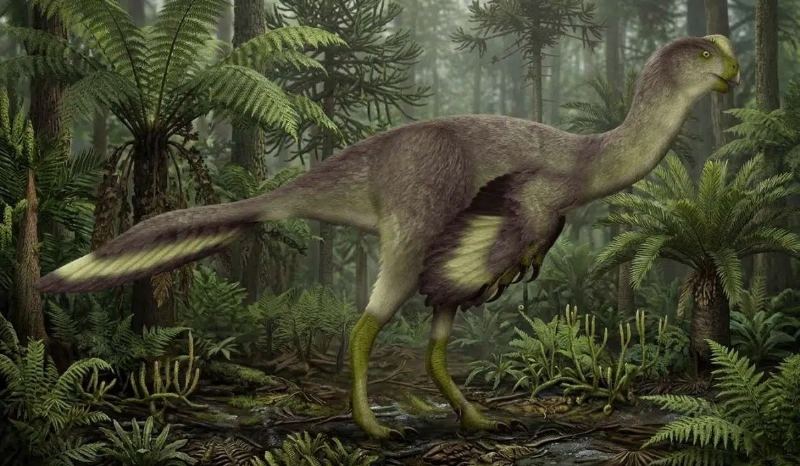
Researchers have uncovered a new species of small feathered dinosaurs that specialized in eating fruits. This remarkable finding indicates that ancient reptiles may have played a significant role in the dispersal of flowering plant seeds — a niche previously thought to be occupied solely by early birds and small mammals.
The new species, named Infernogallus jamesi, translates from Latin to "James's hell chicken." The well-preserved fossil remains, including an almost intact skull and skeletal fragments, were discovered in the famous Hell Creek excavation site in the western United States.
This feathered dinosaur, about the size of a large turkey and weighing around 12 kilograms, coexisted with formidable giants of the past like Tyrannosaurus and Triceratops. The research findings were published in the journal Nature Communications.
Read this article in full and everything else in Telegram, ad-free
Open in TelegramThanks, I just want to finish reading here
Using modern computed tomography methods, researchers reconstructed the anatomical structure of the skull and jaw muscles of the ancient creature. It was found that Infernogallus jamesi, belonging to the oviraptorosaur group (toothless feathered dinosaurs), had a unique oral structure.
The special arrangement of muscles allowed its beak to move not only up and down but also forward and backward, effectively crushing fruit pulp and carefully separating it from seeds and pits. Such a complex jaw mechanism is seen today in some specialized fruit-eating birds like parrots, but this feature has been discovered in dinosaurs for the first time.
Prior to this discovery, paleontologists believed that the seed dispersers of the first flowering plants were only ancient birds, reptiles, and small mammals. However, analysis of the diet of Infernogallus jamesi showed that fruit-eating dinosaurs consumed whole fruits and transported undigested seeds over long distances. Thus, these reptiles helped fruit trees colonize new territories and directly influenced the evolution of the plant world.
Paleontologists noted that the evolution of the jaw apparatus of these unusual reptiles occurred synchronously and in parallel with the global spread of flowering and fruiting plants across the planet. This discovery revealed that the actual ecological diversity of dinosaurs before their mass extinction was much richer and more complex than previously thought, and they actively participated in shaping the plant world of ancient Earth.