Extra Year in School May Lower Dementia Risk Decades Later

An additional year of schooling may reduce the risk of developing Alzheimer's disease and other forms of dementia decades later. This conclusion was reached by researchers from the University of Wisconsin-Madison and the University of Southern California, who analyzed data from British students.
The study was based on the educational reform of 1972, when authorities in England, Scotland, and Wales raised the minimum age for compulsory schooling from 15 to 16 years. As a result, some students had to spend an extra year in school.
For their analysis, the researchers used medical and genetic data from the UK Biobank. They found a significant decrease in the incidence of Alzheimer's disease and related forms of dementia among those affected by the reform.

The additional year of education reduced this incidence by approximately 0.88 percentage points. However, the authors acknowledge that this estimate may be inflated, as the overall prevalence of dementia in the studied sample was less than 1%.
Read this article in full and everything else in Telegram, ad-free
Open in TelegramThanks, I just want to finish reading here
The researchers explain the statistical uncertainty by the relatively young age of the study participants: those from the studied generation are now around 69 years old, and cases of dementia in this age group are relatively rare. They find the direction of the identified effect convincing but are currently unable to determine precisely how much an extra year of schooling lowers the likelihood of developing the disease.
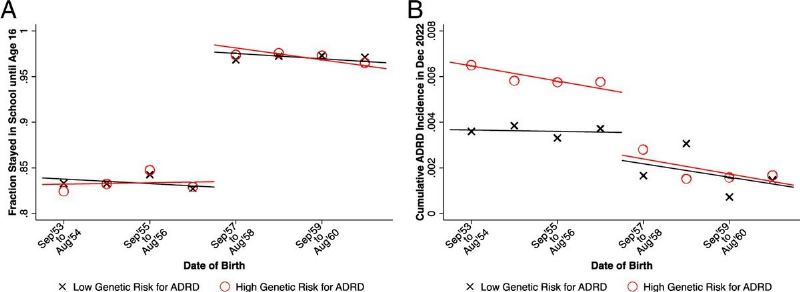
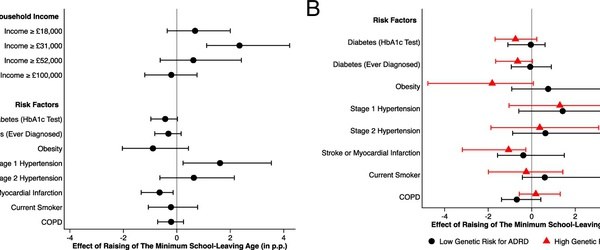
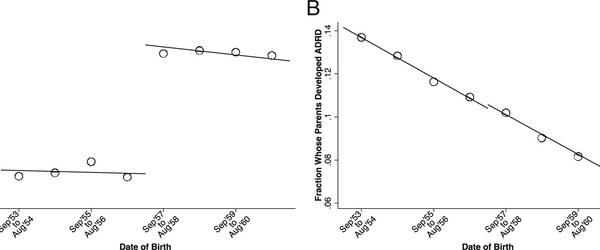
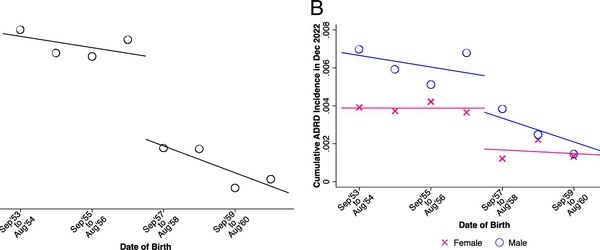
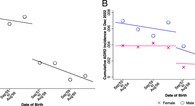
Separately, the researchers examined the impact of heredity: they analyzed the genetic data of participants, including the presence of the APOE4 gene variant associated with an increased risk of Alzheimer's disease. Among those who completed their education under the old rules, a high genetic predisposition was associated with significantly higher dementia rates.
In contrast, in the generation affected by the reform, the additional year of schooling was linked to a significant decrease in dementia rates among participants with high genetic risk.
The researchers suggest that the protective effect may arise from the socio-economic advantages of education. An extra year in school potentially enhances qualifications, opens access to better-paying jobs, and improves career prospects.
Over the past 50 years, such advantages may have impacted brain health. Now, scientists need to determine the exact nature of this influence.