Maya Buried Ancestors' Teeth with the Dead: New Findings from Researchers
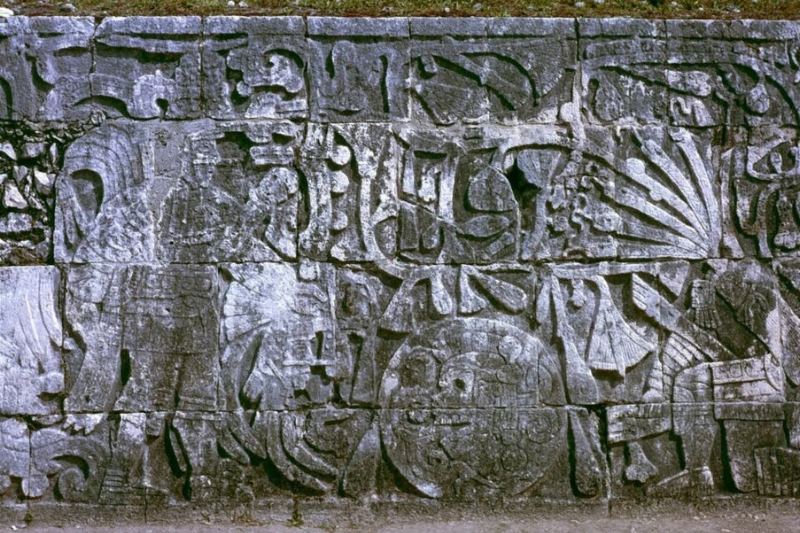
Ancient Maya transported the remains of deceased relatives over long distances to maintain a connection with their ancestors. An international team of researchers analyzed the DNA of hundreds of bone and tooth samples, discovering that the remains of the same individuals appeared in multiple burials. These findings shed light on how burial practices were linked to power and beliefs among the Maya.
For the ancient Maya, death did not signify a final separation from loved ones. They believed that deceased ancestors ascended to the heavens and became deities, while the living could maintain a connection with them. This new study reveals that this idea could be taken literally: the remains of one person sometimes ended up in several burials located far apart.
Teeth Collected from Thousands of Kilometers?
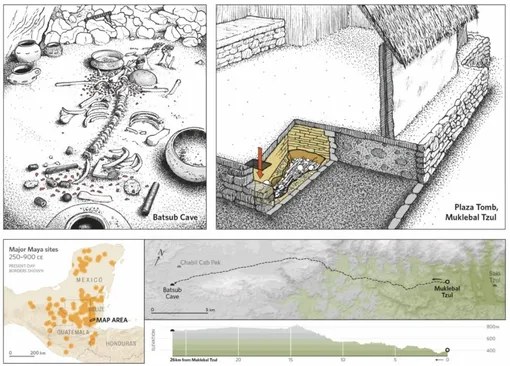
The international team examined 430 samples of bones and teeth from ancient Maya tombs and caves. Special attention was given to the burial of a noblewoman who died between 250 and 400 AD. Around her pelvis and upper spine lay 226 human teeth. Genetic analysis showed they belonged to at least 39 different individuals – distant ancestors of the woman buried in other locations over 26 kilometers away.
Read this article in full and everything else in Telegram, ad-free
Open in TelegramThanks, I just want to finish reading here
Researchers also found the remains of the same individuals in several remote burials. Genetic data allowed them to reconstruct three family lines, each spanning four to eight generations.
Caves as a Path to Ancestors
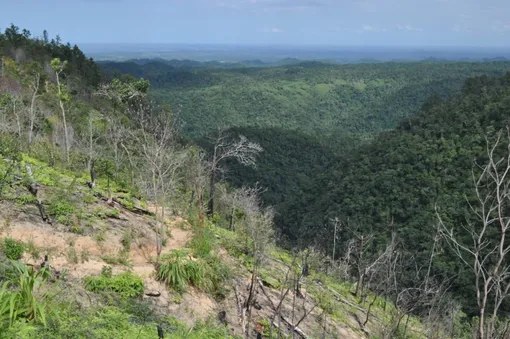
For the Maya, caves held special significance: they were seen as places to connect with the world of ancestors. Burials in such locations could be part of complex rituals related to beliefs about the afterlife. The connection with the deceased also had political implications: ruling families affirmed their status through lineage from ancestors considered divine.
The burial of the woman was also unusual. Her head was removed and replaced with a simple vessel, and valuable burial items and numerous teeth were placed nearby. According to the authors, the entire composition may have recreated a scene from a Maya myth about the underworld.
Remains as a Symbol of Power
Genetic data allowed scientists to see what cannot be reliably established by the position of bones alone. Researchers suggest that the remains of noble families were intentionally distributed among clan tombs and ritual caves, strengthening the connection between the living, ancestors, and sacred places. For the Maya, the memory of ancestors was likely not only a family matter but also a means of maintaining social order and legitimacy of power.