Microplastics Found in Tea Bags: What You Need to Know
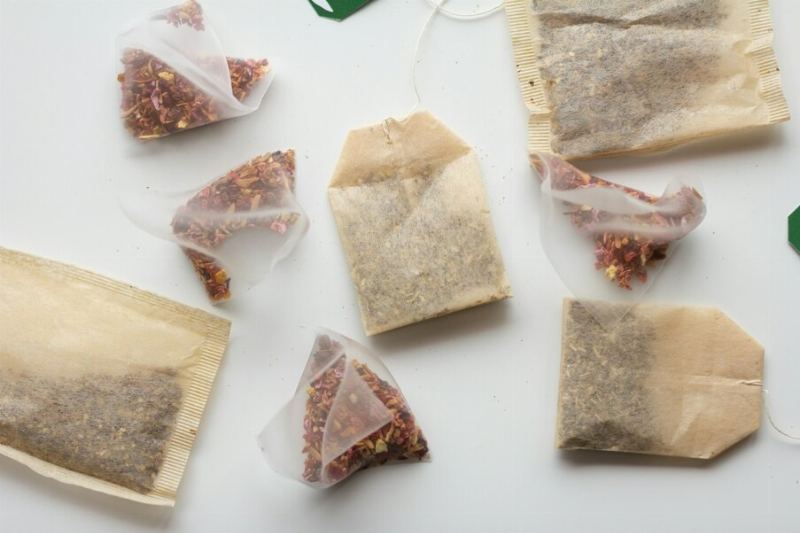
Tea in plastic bags may contain thousands of microplastic particles and chemicals that can affect the hormonal system. Researchers compared bagged tea with loose leaf tea and found that the number of particles in bags was significantly lower than in some previous studies.
A cup of hot tea can help you wake up in the morning or relax in the evening. However, brewing in a plastic bag may lead to the ingestion of microplastics and chemical compounds used in plastic production. Turkish researchers investigated how this tea differs from loose leaf tea.
What Ends Up in Your Cup
In a new study published in the journal npj Science of Food, scientists examined 28 brands of black and green tea purchased from Turkish supermarkets. Half of the samples were packaged in bags, while the others were sold loose. Of the 14 types of bagged tea, only four used nylon bags, while the rest were made from paper or cellulose.
Read this article in full and everything else in Telegram, ad-free
Open in TelegramThanks, I just want to finish reading here
Researchers brewed the tea in freshly boiled water for three minutes and then counted the particles. Plastic bags released between 555 and 2498 microplastic particles per cup, while loose leaf tea contained only 0.3 to 2.4 particles.
Not Just Microplastics

Each plastic bag also contained bisphenol A (BPA) and phthalates, which are used in plastic production. These substances may affect the endocrine system that regulates hormone function. In one sample, researchers noted a particularly high concentration of phthalate BBP, possibly from the glue used to seal the bag.
The levels of bisphenol A in the samples did not exceed established safety limits. One cup provided between 4.5% and 21.7% of the acceptable daily intake of this substance.
There May Be More Particles
Results from the 2023 study were more modest than data from 2019, which reported billions of plastic particles in a cup of tea from synthetic bags. The Turkish team could not detect nanoplastics and only considered plastic particles larger than 100 micrometers, so the actual number of contaminants may be higher.