Scientists Develop New Methods to Extend Pet Lifespans
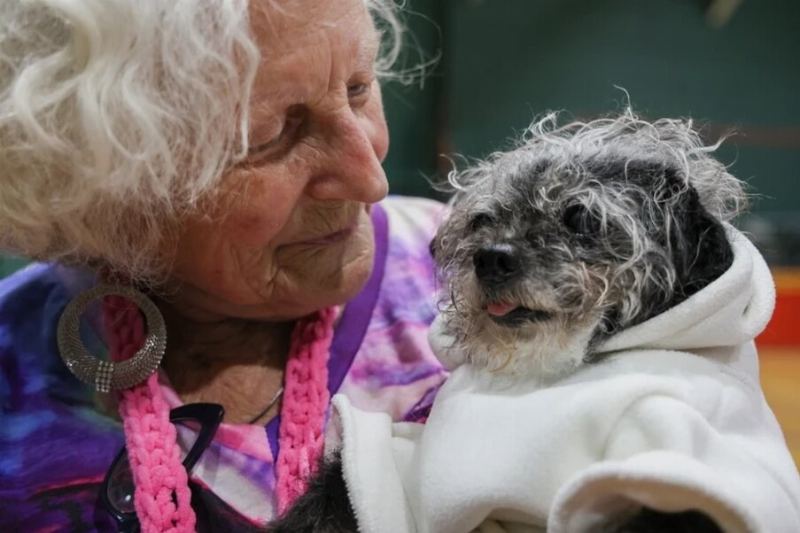
The first-ever conference on animal longevity took place in Toronto. Researchers, biotech companies, and even firms specializing in pet cryopreservation discussed ways to extend the lives of dogs and cats. The pet health services market in the US is valued at $150 billion and continues to grow.
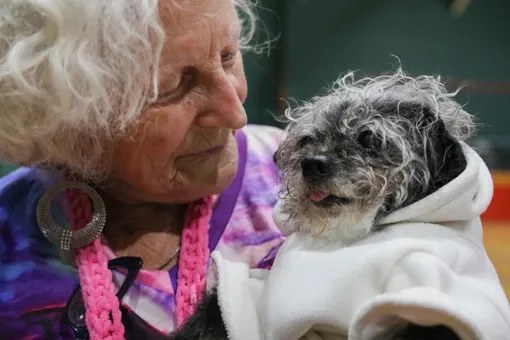
In February 2025, the FDA recognized the effectiveness of LOY-002, a longevity drug for dogs over 10 years old. Clinical trials are ongoing, and the company plans to launch it in 2027.
The conference featured many dogs, and scientists discussed aging, cancer in dogs, and the genetics of mammals living in extreme conditions. Companies also presented gene therapy and probiotic food for pets.
Read this article in full and everything else in Telegram, ad-free
Open in TelegramThanks, I just want to finish reading here
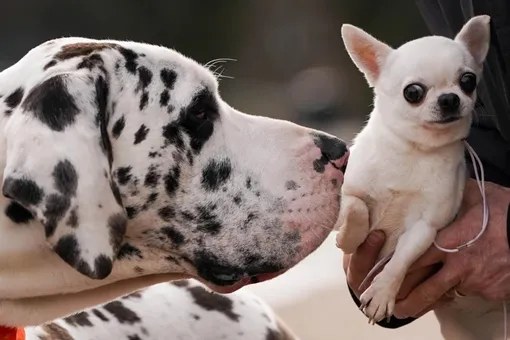
Large dogs tend to age faster than smaller ones, possibly due to differences in genomic markers.
Cameron Herlbert from Ani VC noted that the interest in extending animal life is natural, as significant funds are invested in human longevity. Many projects focus on nutrition and repurposing drugs already approved for humans.
The Romanian company Cat Health Company is developing treatments for age-related diseases in cats, while California's Rejuvenate Bio is creating gene therapy for dogs. Brussels-based Genflow Biosciences is preparing therapy for canine sarcopenia.
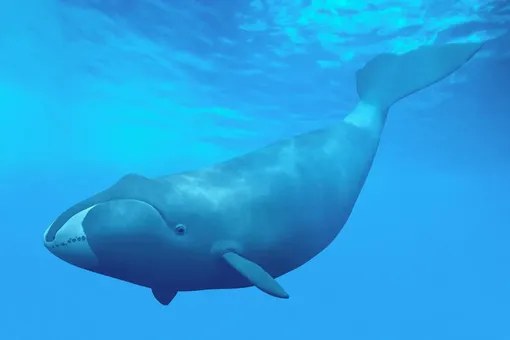
The Greenland whale, the longest-living mammal, was also discussed at the conference.
Cryopreservation
Kai Mika Mills from Cryopets reported that there are about 12,000 pet owners on the company's waiting list. Freezing a cat costs about $10,000, while a large dog costs over $50,000. Mills founded the company for his 15-year-old cat Atlas and plans to freeze even his jumping spider.