New Insights into Colorectal Cancer Differences in Young and Older Patients
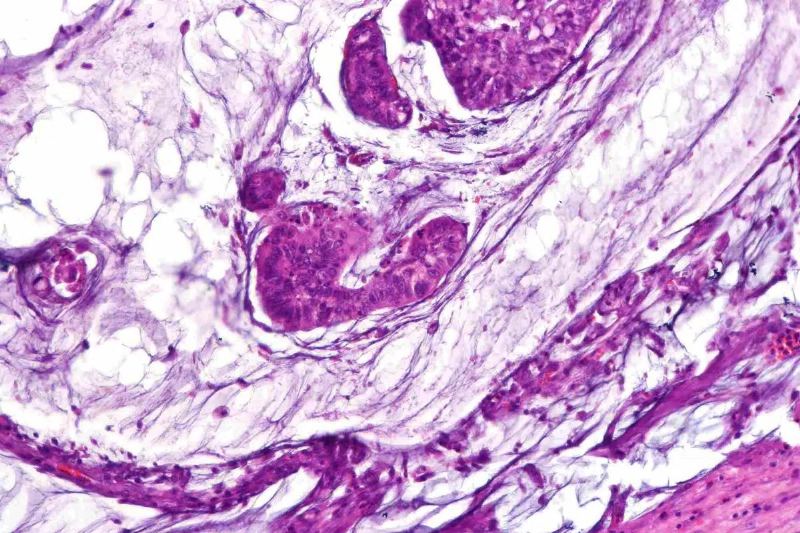
Colorectal tumors in patients under 50 differ significantly in biological structure and genetic activity compared to those in older individuals. They contain more connective tissue and exhibit higher activity of molecules that promote cancer cell spread.
The rising incidence of colorectal cancer among young people has become a serious concern in oncology. A team of researchers from the Dana-Farber Cancer Institute conducted a study on the cellular and genetic characteristics of tumors, with results published in Nature Medicine.
The researchers analyzed samples from 189 colorectal tumors obtained from patients aged 29 to 90, using advanced gene activity analysis methods in individual cell nuclei. This allowed them to track gene activity in over 850,000 individual cancer and associated cells.
Read this article in full and everything else in Telegram, ad-free
Open in TelegramThanks, I just want to finish reading here
The analysis revealed that young patients have a significantly higher proportion of connective and supportive tissue in their tumors. Previous studies have noted that excess connective tissue can hinder chemotherapy's effectiveness in destroying cells in other cancer types.
Additionally, in cells from patients under 50, researchers observed increased activity of long non-coding RNAs, which regulate gene activity without being involved in protein synthesis. Young patients also exhibited more active signaling between cancer cells, facilitating faster tumor growth and invasion of surrounding healthy tissues.
The authors noted that these molecular differences do not yet establish a direct cause-and-effect relationship, but they provide valuable insights for understanding cancer development mechanisms across different age groups and may aid in creating new approaches for prevention, early diagnosis, and targeted therapy for colorectal cancer.