Baby's Brain Cleanses Itself of Defective Neurons Before Birth
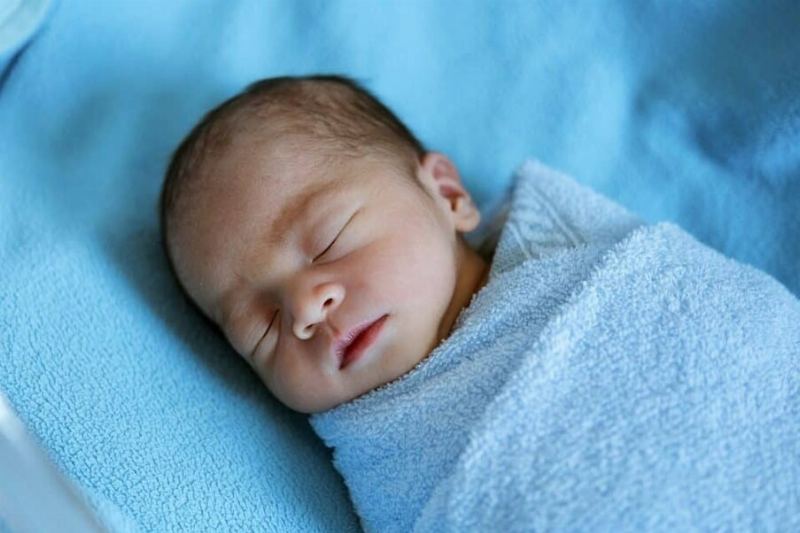
Before birth, the developing human brain undergoes a massive cleansing process: a significant number of neurons with damaged chromosomes disappear from the cortex. Researchers analyzed the genomes of over 2300 individual nerve cells, revealing a new mechanism for quality control of neurons and providing insights into the nature of autism and epilepsy.

The brain's cleansing process is not new. In the 1940s, Viktor Hamburger and Rita Levi-Montalcini demonstrated that a significant portion of neurons die before hatching, with survival depending on the tissues they innervate. The search for this signal led Levi-Montalcini to discover the nerve growth factor.
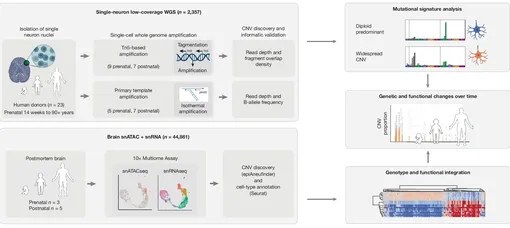
Diana Shao's team from Boston Children's Hospital studied the brains of deceased individuals, from fetuses at 14 weeks of gestation to ninety-year-olds. They sequenced the genome of each cell, looking for copy number variations—chromosomal regions that were lost or duplicated.
Read this article in full and everything else in Telegram, ad-free
Open in TelegramThanks, I just want to finish reading here
The results were astonishing: over a quarter of neurons in fetuses had multiple chromosomal abnormalities. After birth, the proportion of abnormal neurons dropped by more than four times, to about 6%: defective cells are eliminated. The study was published in Nature.
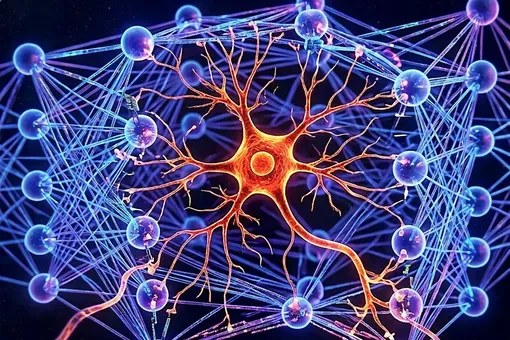
As noted by neurologist Christos Prokakis, neurons that survive appear to be those that maintain a more intact genome. How does the brain identify defective cells? The answer lies in the fact that neurons with multiple variations have disrupted gene functions responsible for synapse formation. Neurobiologist Oscar Marin suggests that the brain eliminates cells that are poorly integrated into the network, even if their genome is intact.
Elimination Errors
Natalia De Marco Garcia from Weill Cornell Medical College believes that this system regulates both the number and quality of neurons, and its failure could lead to disease. The brain may lack cells for normal functioning, or conversely, too many non-functional neurons may remain, disrupting the connection scheme. Shao plans to explore the link between this mechanism and neurodevelopmental disorders, particularly autism spectrum disorders.
Prokakis would like to see such analysis for other types of neurons, such as dopaminergic neurons, whose loss is associated with Parkinson's disease. The work is groundbreaking, but researchers have only scratched the surface.