The Mystery of Picobirnaviruses Unraveled After 40 Years
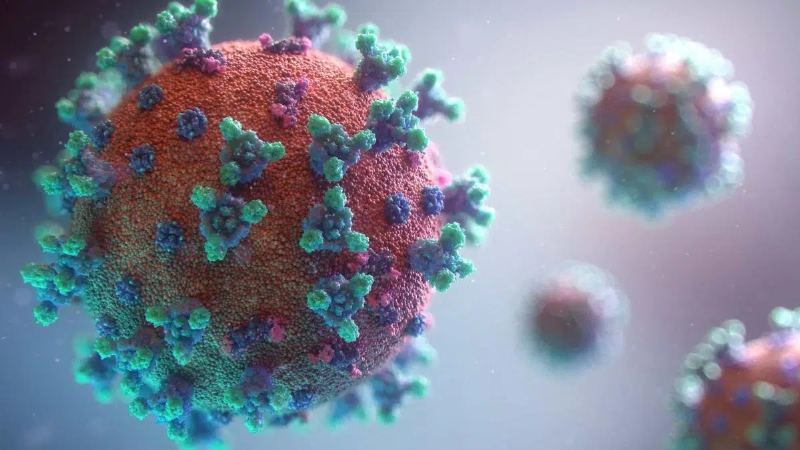
Picobirnaviruses, long believed to be responsible for intestinal infections in humans, actually infect only bacteria, not human cells. This discovery changes the understanding of their role in the body: viruses affect health indirectly by altering gut microbiota.
Picobirnaviruses were first described nearly four decades ago when they were found in stool samples from patients suffering from acute diarrhea, alongside other known pathogens. Due to the lack of technology to culture such viruses in the lab at that time, researchers mistakenly concluded that the new microorganism directly attacks the intestinal lining.
However, scientists from the Washington University School of Medicine in St. Louis (USA) have proven that this virus belongs to the family of RNA viruses that exclusively infect bacterial cells. The results of this study were published in the journal Nature Microbiology.
Read this article in full and everything else in Telegram, ad-free
Open in TelegramThanks, I just want to finish reading here
To finally solve this long-standing mystery, an international team of researchers created a special laboratory model using mice and tracked the virus's development in an anaerobic environment where mammalian cells cannot survive. The virus successfully multiplied in the presence of gut bacteria, but replication completely stopped immediately after the application of antibiotics that destroyed the bacterial flora. As a result, molecular imaging methods were used to detect picobirnaviruses within specific gut bacteria.
Although these viruses do not directly infect human tissues, they can cause significant indirect harm by destroying populations of beneficial microorganisms that regulate the entire digestive system. The mass death of friendly microbiota disrupts the natural balance in the gut, allowing harmful pathogens to proliferate, releasing toxins, and triggering severe inflammation.
Understanding which bacteria become targets for picobirnaviruses opens up entirely new possibilities for creating targeted microbiome correction methods and effective therapies for severe gastrointestinal diseases.