Scientists Discover Protein That Protects Oocytes from Age-Related Chromosomal Errors
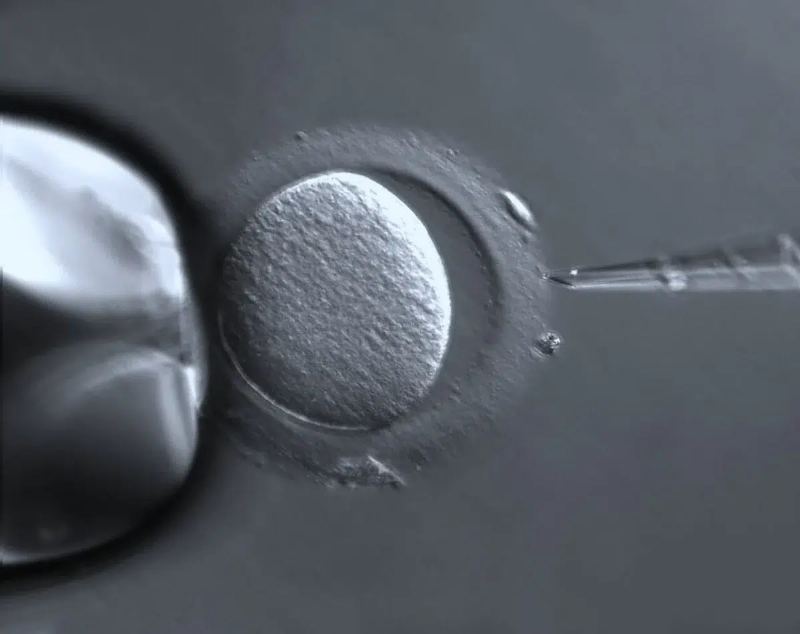
Oocytes are formed during the development of the organism in the womb and wait for puberty to participate in ovulation. The protein REC8 holds the chromosomes together, but it does not renew and weakens with age, leading to an increased risk of chromosomal abnormalities.
The study revealed that next to REC8 is a protein called OMC1, which helps maintain the correct configuration of chromosomes. Researchers compared gene activity in immature oocytes and male germ cells in mice, identifying the gene Omc1.
Read this article in full and everything else in Telegram, ad-free
Open in TelegramThanks, I just want to finish reading here
OMC1 is located in the same regions as REC8 and remains there from the embryonic stage to adulthood. Mice lacking Omc1 showed earlier loss of REC8, leading to chromosomal segregation errors.
Restoring OMC1 in the oocytes of adult mice partially restored REC8 levels and reduced chromosomal errors. In humans, the equivalent of OMC1 is the protein CCDC201, with genetic changes linked to early menopause.
This research was conducted on mice, and conclusions for humans require further validation. Scientists hope that understanding how OMC1 works will help mitigate the effects of age-related decline in oocyte quality.