Poland's Constitutional Tribunal Crisis: Judges Challenge Presidential Authority
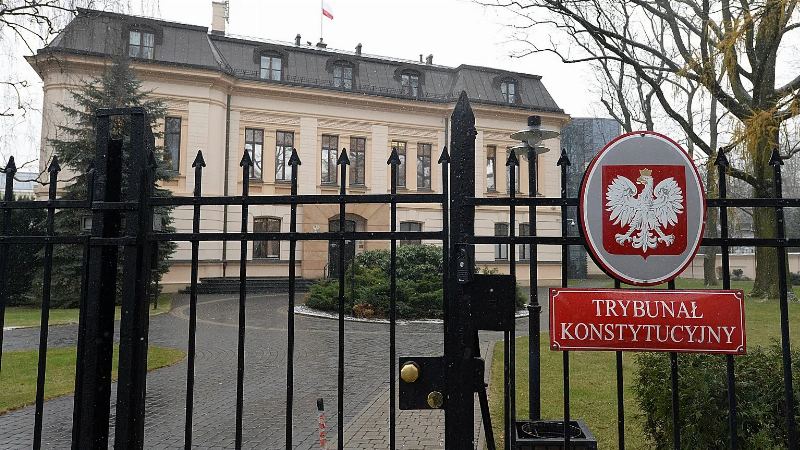
The conflict surrounding the Constitutional Tribunal is entering a new phase. Chairman Bogdan Swieczkowski announced that judges will attempt to regain control of the institution. He has scheduled an attempt to enter the tribunal building on Saturday.
“The Constitutional Tribunal is its judges, not a building illegally seized by usurpers. We are doing everything to change this situation,” said Swieczkowski.
This follows an incident on Friday when seven judges elected by the Sejm entered the building with state security personnel. President Karol Nawrocki labeled the actions of the new judges as a forceful takeover of a constitutional body.
Reasons for the Conflict and the Status of New Judges
The current crisis arose after the president refused to accept the oaths of seven individuals chosen for judgeships by the Polish parliament.
These judges took their oaths before the Marshal of the Sejm. However, both the chairman of the Constitutional Tribunal and the president do not recognize their rights.
The Polish constitution states that judges take their oaths before the president, but it does not clarify whether this is merely a formality or if the president has the right to refuse to accept the oath and block the appointment.
Read this article in full and everything else in Telegram, ad-free
Open in TelegramThanks, I just want to finish reading here
The ruling coalition believes that the election made by the parliament is final, and the president's refusal to accept the oath cannot block the judges from taking office.
The immediate trigger for Friday's events was Judge Anna Korwin-Pietrowska's decision to suspend Chairman Swieczkowski and Vice-Chairman Bartłomiej Sochański. She then assumed leadership of the tribunal.
The legal basis cited was Article 130 of the Law on the System of Common Courts, which allows for the immediate suspension of a judge in certain situations when required by the authority of the court or the important interests of service. The suspension can last until a disciplinary court makes a decision, but for a maximum of one month.
However, applying this norm to the chairman of the Constitutional Tribunal raises legal disputes. As reported by Rzeczpospolita, lawyers disagree on whether there were grounds for such actions and whether the specified regulation can be applied in this situation.
Prosecutor's Actions
An additional element of the conflict involves the actions of the prosecutor's office. Justice Minister and Prosecutor General Waldemar Jurek announced that five motions to lift the immunity of Bogdan Swieczkowski and Bartłomiej Sochański have been submitted to the tribunal.
Four motions concern the chairman of the tribunal, and one concerns his deputy. The documents include 50 volumes of materials related to the alleged offenses.
Anna Korwin-Pietrowska also announced a General Assembly of the judges of the Constitutional Tribunal on November 3. One of its tasks will be to approve the tribunal's budget for 2027.
Currently, both sides present completely different interpretations of the events. The announced meeting of the seven judges may lead to new decisions, but it is unlikely to resolve one of the most serious constitutional crises in recent years.