Fishing Waste from the US and Canada Reaches the Azores
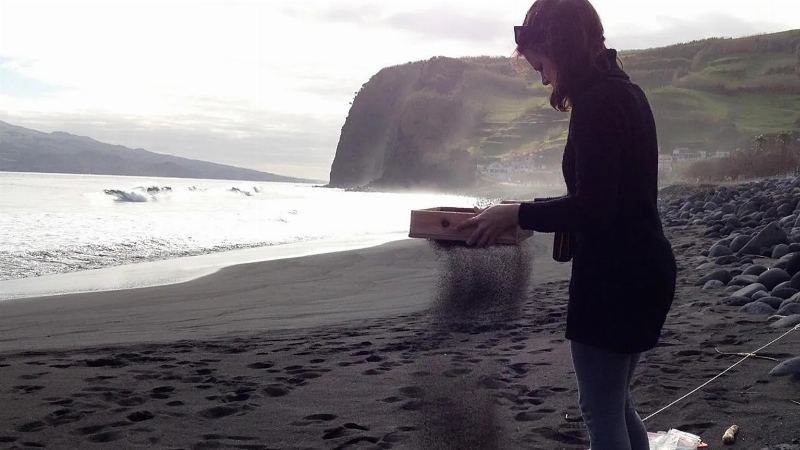
Since 2010, researchers from the University of the Azores have been monitoring marine debris and have noticed many recurring items.
“We realized that these items have numbers on them. When we found many of these items, we tried to figure out what they meant,” explains Christopher Fam, a researcher and head of the marine debris study group.
It turned out that these items are linked to lobster fishing, which plays a significant economic role along the Atlantic coast of North America. The numbers on plastic parts are mandatory tags that allow for tracking their origin and date.
This initiated a study involving scientists and volunteers.
“We asked locals: if they find such items on the beach, to bring them to us,” says Christopher Fam. “We had at least ten people who sent us materials every month.”
From 2017 to 2025, over 1500 such items were found on the beaches of Faial and Pico.
These islands are part of the Portuguese Azores archipelago, located in the middle of the Atlantic, about 1600 km from Europe.
Waste Travels Over 3,000 km
These are items or fragments placed in the sea for lobster trapping: corners and fasteners of trap boxes, funnels, or tags.
Tags with readable inscriptions came from the US (63%) and Canada (37%). In the US, most tags indicated Maine (80%) and Massachusetts (11%). Canadian tags were from Newfoundland and Labrador.
The study shows that this is an example of how an isolated oceanic archipelago is directly affected by plastic waste from coastal fishing conducted over 3,000 km away.
Researchers were not surprised that debris travels from the North American coast to the Azores, as it confirmed their assumptions.
Read this article in full and everything else in Telegram, ad-free
Open in TelegramThanks, I just want to finish reading here
“We know there is a direct connection, and it is logical to expect that particles from this area of the Atlantic will reach us,” says Christopher Fam.
While the study focuses only on the islands of Pico and Faial, this waste can travel much further — even to mainland Europe.
“Such items are also frequently found along the Portuguese coast and in England and Ireland,” adds the researcher.
Over 40 Years in Nature
Scientists managed to determine the age of some debris, as among the finds were tags with registration years.
Most tags are dated from 7 to 13 years ago. The newest is from 2023, and the oldest is from 1983, meaning it has been in the sea for over 40 years. This indicates that such plastic can reach the Azores in just two years and remains in the environment for decades.
“Most of these items ended up in the sea many years ago. This is also important because it demonstrates that plastic has a colossal resilience in the environment,” says Fam.
This information was obtained because the North American lobster fishing industry requires marking this material.
More Waste on the Beaches of the Azores
Lobster fishing is the most significant fishing activity in the US and Canada. In 2020, lobster exports from these countries amounted to about 1.74 billion euros.
Estimates show that annually about three million traps are set in US coastal waters for these crustaceans, and about two million in Canada.
However, the beaches of the Azores are not only polluted by lobster fishing. There is also other fishing debris on these shores, but its origin is often untraceable.
“We found trawl nets, but trawls can be used in both Greenland and Brazil,” explains Christopher Fam.
Other debris that can come from anywhere in the world also washes up on these beaches.
“We can almost never pinpoint the geographical origin. Sometimes we find Chinese bottles, but we don’t know if they came from China,” says Christopher.
In addition to bottles, the shore also washes up cigarette butts, shoe soles, and lighters. But the most common debris consists of small plastic fragments.
“All these cities dump a huge amount of plastic into streams and rivers. Under the influence of light and sea, it starts to break down, forming a kind of ‘soup’ of fragments that entered the ocean many years ago and are no longer recognizable in their original form,” says Christopher Fam.
Addressing the Problem at Its Source
Only by knowing the origin of these items can measures be taken at the source of the problem. Therefore, marking fishing gear, as in the lobster industry, is crucial.
The Food and Agriculture Organization of the United Nations has developed recommendations stating that fishing gear should be identifiable.
The next step for these researchers is to conduct a more systematic analysis of the density and volumes of lobster fishing debris.
“It is important that you do something to reduce plastic entering the sea,” concludes Christopher Fam.