Spain Launches Sustainable Tourism Strategy 2030 Focusing on Local Communities
Spain expects to welcome 100 million foreign tourists this year but is reassessing its approach to managing growth.
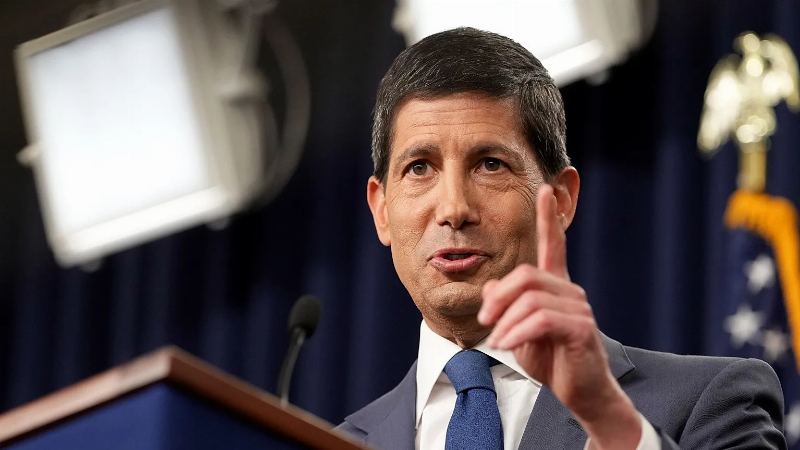
At the Arabian Travel Market in Dubai, Carlos Ruiz Gonzalez, director of the Spanish Tourist Office, presented the "Spain Tourism 2030" plan, which emphasizes local communities and sustainable development.
Developed with input from over 200 experts, the plan addresses various challenges faced by tourist destinations, from popular resorts to lesser-known areas.
Spain, the second most visited country in the world, welcomed 96.8 million foreign tourists in 2025, with tourism contributing 12.6% to the GDP.
The government is exploring ways to manage growth and reduce pressure on overcrowded destinations.
Read this article in full and everything else in Telegram, ad-free
Open in TelegramThanks, I just want to finish reading here
"We are considering how to manage this success," said Ruiz Gonzalez. "We have destinations that are 'dying from success.' But we have a large and diverse country."
"This should be a nationwide policy, not just for the tourism sector," he added.
How Will Spain Make Tourism More Sustainable?
The plan includes a three-phase roadmap with biennial action plans focusing on economic, social, and environmental sustainability.
Key challenges relate to climate change, employment, and pressure on housing.
Local residents are viewed as the "primary target audience," not a "by-product" of tourism.
"We want residents to be part of the system," said Ruiz Gonzalez. "Tourists go where people live, and they should be able to stay there."
Part of the strategy aims to distribute tourists more evenly and encourage slower travel.
Where Should Tourists Go in Spain?
Spain does not discourage travel to popular spots but wants tourists to explore rural areas.
"Some destinations don’t need special advertising — they are well-known," said Ruiz Gonzalez. "Overall, we want people to travel deeper into the country."
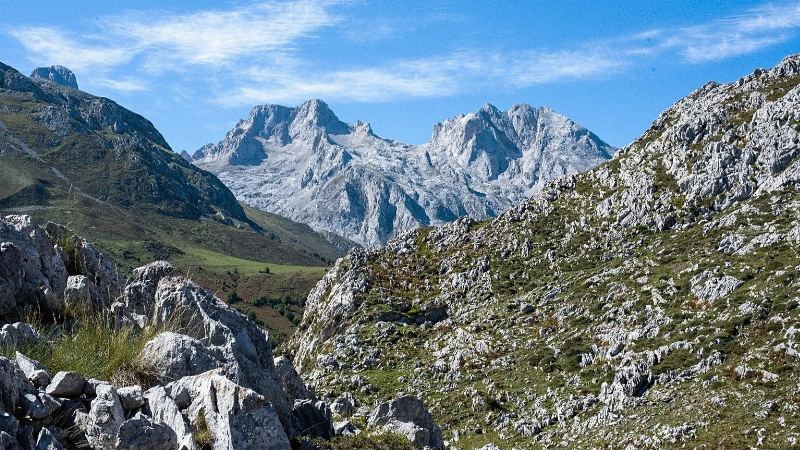
For nature enthusiasts, he recommended the Pyrenees and the Sierra de Guadarrama National Park.
The developed high-speed rail network makes destinations outside traditional tourist centers more accessible.
"We want all our destinations to be part of the solution," he added.