Greece Cleans Its Seas: Extraction of Concrete Blocks and Synthetic Ropes
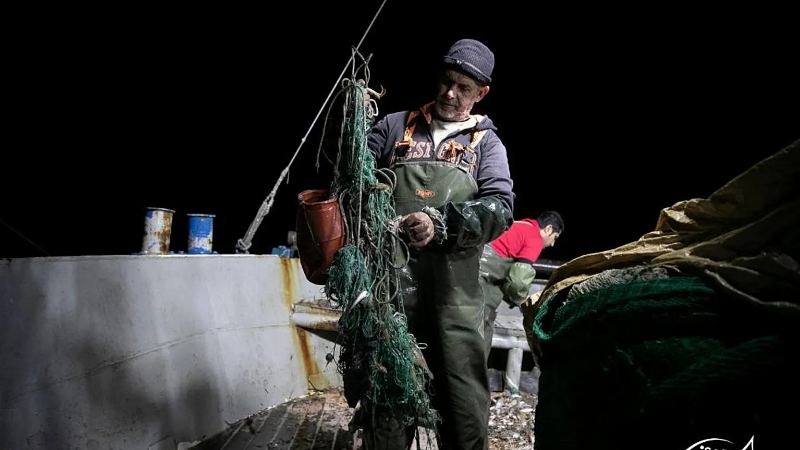
Over 6000 concrete blocks and thousands of synthetic ropes have been extracted from the waters of Greece, which were illegally used by traditional Mediterranean fishing vessels and then discarded into the sea.
Abandoned fishing gear constitutes a significant part of the debris accumulating on the seabed. Their removal is a key task of the Fishing For Litter program, implemented by the Atanasios K. Laskaridis Charitable Foundation in partnership with the environmental organization iSea.
Since the program's launch in 2019, 6278 concrete blocks and about 11,700 ropes have been raised and registered. “The most challenging situation is observed in the Evia Gulf,” notes iSea's communication manager Anastasia Charitou.
Since 2019, participating fishermen have removed over 360 tons of waste, with more than 83% of this volume being plastic and 34% consisting of abandoned fishing gear.
Read this article in full and everything else in Telegram, ad-free
Open in TelegramThanks, I just want to finish reading here
This year, the program continues throughout Greece, involving 67 fishing vessels.
How Do Concrete Blocks End Up on the Seabed?
This issue is partly related to the practice used in night fishing with “gri-gri” — traditional Mediterranean fishing vessels. After locating fish, light devices are lowered into the water to attract them. These devices need to be anchored in place, but sometimes concrete blocks are used instead, leading to debris on the seabed.
Thousands of Kilograms of Solid Waste on the Seabed
“Concrete blocks accidentally get caught in fishermen's nets: they become entangled in the gear,” explains Charitou. Considering only the 6278 concrete blocks recorded to date, this amounts to tens of tons of solid materials discarded into the sea.
However, the problem is not limited to the volume of waste.
Synthetic ropes and concrete blocks accumulate on the seabed, negatively impacting benthic ecosystems and affecting organisms and habitats in direct contact with the seabed.
Impact on Biodiversity and Fishing
For iSea, this practice is not just pollution of the marine environment. Leaving these materials on the seabed harms ecosystems, creates risks for other vessels, and adds another stress factor to marine areas already under pressure from overfishing and waste accumulation.
The organization emphasizes that stricter and systematic inspections are needed to ensure compliance with existing legislation, as well as the imposition of prescribed fines.