Air Pollution Linked to Increased Risk of Suicide and Suicidal Thoughts
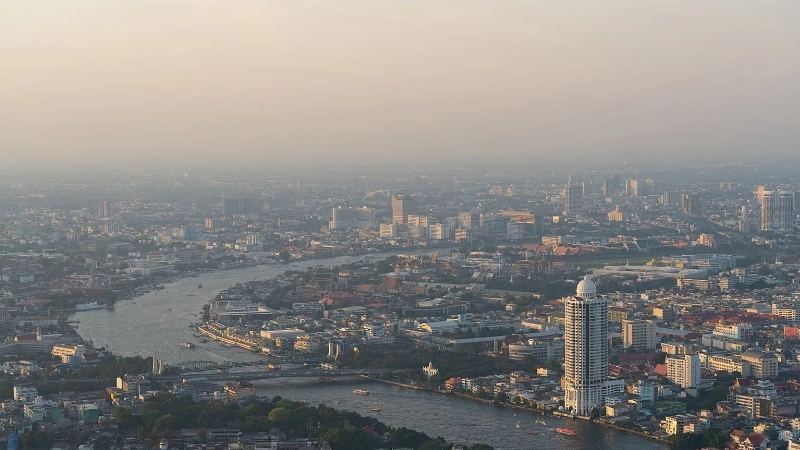
Exposure to air pollution may increase the risk of suicidal thoughts and death by suicide in both the short and long term, highlighting the impact of environmental factors on human health.
A new analysis published in the Journal of Epidemiology & Community Health found that short-term exposure to fine particulate matter (PM2.5 and PM10), as well as long-term exposure to nitrogen dioxide (NO2) and PM2.5, raises the risk of death by suicide, suicide attempts, and suicidal thoughts.
Researchers analyzed over 40 studies on various types of air pollution and their connection to cases of death by suicide.
Every year, over 720,000 people die by suicide worldwide. In the European Union, more than 48,000 people died from intentional self-harm in 2023, according to Eurostat.
“While there is no single cause of suicide, motives are described as multifactorial and include a range of individual, biological, cultural, and social factors,” the authors write.
Read this article in full and everything else in Telegram, ad-free
Open in TelegramThanks, I just want to finish reading here
These findings help expand the understanding of the role environmental exposures play in shaping suicide risk. However, the environmental risks remain underexplored.
How Does the Environment Affect Health?
The analysis points to possible mechanisms linking air pollution to suicide. Air pollution is associated with neurological effects, including chronic inflammation and neurotoxicity, which can disrupt brain function and affect mood.
Traffic and other sources of noise and light pollution are also associated with increased stress levels.
“The main contribution of this study is not to prove that pollution is a direct cause of suicidal behavior, but to remind us that psychological suffering always occurs in a certain context,” said Susana Al-Halabi, a psychology professor.
She added that pollutants may contribute to creating a more vulnerable social environment, such as areas with poorer living conditions, lower environmental quality, higher everyday stress, or greater inequality.
The authors suggest that further research should examine the cumulative effects of such environmental exposures to better understand their role in shaping suicide risk.
“The findings underscore the critical importance of recognizing environmental exposures as modifiable risk factors in suicide prevention efforts,” they write.
If you have thoughts of suicide and need someone to talk to, reach out to Befrienders Worldwide – an international organization whose helpline operates in 32 countries.